What Are the Top Contractor Services in China?
China’s construction market offers a wide range of Contractor Services, from residential building and commercial fit-outs to industrial installation, renovation, and infrastructure support. A capable contractor can coordinate architects, engineers, material suppliers, site workers, and local inspections. The quality of that coordination often determines whether a project feels controlled or chaotic.
Glenn Ballard, co-founder of the Lean Construction Institute, stated, “The last planner system is a system for production control.” This principle matters in China, where schedules may involve multiple subcontractors, changing material availability, and different regional practices. Strong contractors usually provide clearer planning, documented budgets, safety procedures, progress reports, and quality checks. They also understand local construction conditions instead of copying a method from another country.
Look beyond the lowest quotation.
Top Contractor Services may include general contracting, design-build delivery, mechanical and electrical work, waterproofing, interior finishing, factory construction, and maintenance. The best choice depends on project scale, location, technical risk, and communication needs. Experience matters, but it should be supported by verifiable references, qualified personnel, transparent contracts, and realistic timelines.
Some recommendations will be imperfect. No contractor can remove every delay or coordination problem. Even experienced teams may underestimate weather, approval timing, or supply interruptions. That weakness deserves attention, not concealment. This guide examines leading contractor categories in China and explains how clients can compare expertise, reliability, workmanship, and long-term value before signing an agreement.

Major Types of Contractor Services Available in China
China’s contractor market covers more than building houses. General contractors coordinate design, procurement, civil works, and commissioning under one contract. Specialized contractors handle steel structures, foundations, electrical systems, plumbing, fire protection, and industrial equipment installation. Renovation contractors focus on interiors, façades, energy upgrades, and facility repairs.
Public infrastructure remains a major service area. Contractors deliver roads, rail facilities, bridges, water treatment plants, ports, and municipal utilities. Industrial projects require stricter coordination, especially for clean rooms, production lines, warehouses, and safety systems. Engineering, procurement, and construction contracts are also common for complex projects. According to the National Bureau of Statistics, construction industry value added reached about RMB 8.56 trillion in 2023, representing nearly 6.8% of China’s gross domestic product, as reported in China Statistical Yearbook 2024.
Green and digital services are expanding. Contractors now install efficient lighting, heat-pump systems, insulation, solar equipment, sensors, and building-management platforms. The International Energy Agency reports that China is the world’s largest building energy market, making retrofit work increasingly important. Yet categories often overlap. A general contractor may subcontract electrical work, while a specialist may manage procurement and testing. Labels can mislead. Practical evaluation should examine licenses, safety records, technical staff, quality controls, project evidence, and after-sales response. A polished site does not always prove reliable delivery. On-site experience still matters.
Key Industries and Projects Served by Chinese Contractors
Chinese contractors support several major industries, including transport, energy, industrial construction, water management, and urban development. Their work ranges from high-speed rail corridors and metro stations to port facilities, bridges, airports, and large housing complexes.
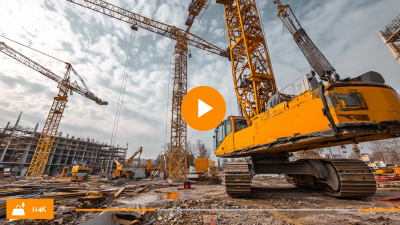
On an active site, teams may coordinate concrete pouring, tunnel ventilation, steel delivery, and safety inspections within one schedule. This demands strong project management and practical engineering experience.
Energy projects often include solar farms, power facilities, and transmission networks. Industrial clients may require factories with controlled production areas, heavy-load floors, and reliable drainage systems.
Water projects can involve treatment plants, pipelines, reservoirs, and flood-control structures. Experienced contractors usually provide surveying, design coordination, procurement, construction, testing, and maintenance support. However, quality can vary between firms. A polished proposal does not always reflect site performance, so independent checks remain important.
Tips: Review completed projects, not only promises. Ask for safety records, quality procedures, local licensing, and clear timelines. Confirm who manages subcontractors and material testing. Visit a comparable site when possible. Small details matter. I have seen schedules fail because access roads, permits, or soil conditions were underestimated. A careful feasibility review may feel slow, but it often prevents expensive changes later. Clear contracts should define inspections, payment stages, defect correction, and responsibility for delays.
How Contractor Services Are Selected and Managed
Selecting contractor services in China requires more than comparing hourly rates. The right choice depends on project scope, local experience, communication, and quality controls. A contractor should provide verifiable registration, relevant insurance, safety records, and references from similar projects. Ask for a detailed work schedule, material specifications, staffing plan, and payment milestones. Vague answers often become expensive delays.
A practical evaluation includes a site visit, even when the contractor’s portfolio looks impressive. Inspect storage areas, protective equipment, completed work, and daily reporting habits. Speak with former clients about punctuality and defect handling. A polished proposal can still hide weak site discipline. Our early mistake was trusting low prices before checking change-order procedures. That decision created confusion over labor and materials.
Contractor management should begin with a clear written agreement.
Define responsibilities, inspection points, delivery dates, warranty terms, and approval methods for changes. Assign one contact person on each side. Weekly meetings can review photographs, costs, safety observations, and unresolved issues.
Keep records in both languages when misunderstandings may affect technical details. Payment should follow measurable progress, not verbal promises. Independent inspections are useful for structural, electrical, or safety-critical work.
However, excessive reporting can slow a small project. The management system must fit the project’s risk and complexity. Review it after the first month. Adjustments are often necessary.
Licensing, Qualifications, and Compliance Requirements
China’s contractor market is substantial. The National Bureau of Statistics reported construction industry added value of about RMB 8.57 trillion in 2023. That scale creates strict entry expectations. Contractors generally need a valid business registration, construction enterprise qualification, and project-specific approvals. The qualification category and grade must match the contract’s technical scope and value.
Safety compliance is equally important.
Under China’s production safety framework, eligible contractors may need a Safety Production License before undertaking regulated construction work. Project managers, safety officers, and technical personnel should hold appropriate professional certificates. Contractors must also maintain training records, insurance documentation, equipment inspections, and subcontractor reviews. The Ministry of Housing and Urban-Rural Development regularly emphasizes qualification management and construction safety supervision in its sector reports. Paperwork alone is not enough.
Tips: Check the contractor’s qualification certificate through official government channels. Confirm its registered scope, validity period, and previous project record. Request current safety permits and named personnel certificates. Verify that subcontractors meet the same standards. A translated certificate can look convincing, yet small wording differences may change its legal meaning. This is where practical review matters. Buyers should also examine local rules, because municipal procedures can differ. The process may feel repetitive, but missing one approval can delay mobilization, payments, or site access.
Factors That Determine Contractor Quality and Cost
What Are the Top Contractor Services in China?
China’s leading contractor services include general contracting, design-build, industrial installation, commercial fit-out, and renovation. Mechanical, electrical, and plumbing work often determines handover quality. Green retrofits are also expanding in older buildings. The National Bureau of Statistics reported construction output of approximately RMB 32.6 trillion in 2024, showing the sector’s scale and complexity. However, scale does not guarantee reliable workmanship.
Contractor quality depends on verified project experience, qualified site managers, safety performance, and transparent subcontracting. A serious contractor should provide inspection records, material certificates, test results, and a workable construction schedule. BIM coordination can reduce clashes between pipes, cables, and structural elements. Reports from the Royal Institution of Chartered Surveyors continue to identify labor shortages and cost volatility as major construction risks. On site, small details matter. Poor waterproofing can ruin an otherwise attractive project.
Cost depends on design completeness, location, labor rates, material specifications, logistics, project duration, and payment terms. The 2024 International Construction Costs report compares construction conditions across major global cities and highlights how labor and material prices vary by location. A low quotation may look efficient. It may hide exclusions, weak supervision, or unrealistic schedules. Clients should compare the full scope, not only the headline price. A clear contract should define variations, testing, warranty duties, and delay responsibilities. Even careful estimates can fail when drawings remain unfinished. That limitation deserves attention before work begins.