Top 10 Embedded PC Manufacturers for Global Buyers
Embedded Pc technology has moved from factory cabinets into vehicles, hospitals, retail systems, and energy networks. These computers now support demanding workloads in dusty, hot, remote, and space-limited environments.
Industry data confirms this shift. MarketsandMarkets identifies industrial automation, transportation, and edge computing as important growth areas for embedded systems. Grand View Research also reports steady expansion in the global embedded computing market, driven by connected devices and real-time data processing. These findings matter to buyers comparing manufacturers across regions.
Arm CEO Rene Haas has stated, “The future of computing is everywhere.” His observation reflects the expanding role of compact computers beyond traditional industrial control. However, global buyers should examine more than processor speed or advertised cost.
This guide reviews ten leading Embedded Pc manufacturers through practical purchasing criteria. These include product reliability, processor options, operating temperature, long-term availability, security features, certifications, technical support, and supply-chain capability. Some vendors excel in rugged transportation platforms. Others perform better in factory automation, medical equipment, or edge AI.
The ranking is useful, but not perfect. A manufacturer with the widest product range may not suit a small deployment. A cheaper unit can create higher maintenance costs later. Buyers should test thermal performance, mounting strength, remote management, and software compatibility before placing large orders.
Real installations reveal details that brochures often overlook. Fan noise, connector access, BIOS control, and replacement lead times can influence project success. This comparison therefore combines market evidence with practical evaluation, while recognizing that regional regulations and application requirements can change the final decision.
Embedded PCs: Definition, Core Features, and Industrial Applications
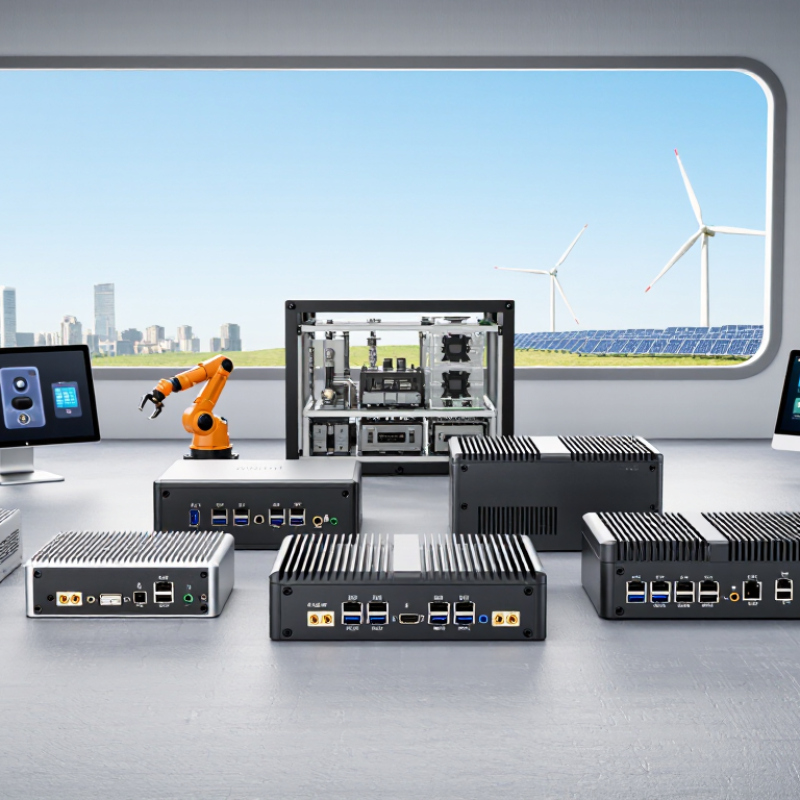
Embedded PCs are compact computers designed to operate inside machines, panels, vehicles, and control cabinets. Unlike office computers, they support continuous operation in demanding environments. Their processors, memory, storage, and interfaces fit into space-limited systems.
Core features include fanless cooling, wide-temperature operation, vibration resistance, and long product availability. Many models use sealed aluminum housings to improve heat transfer and reduce dust entry. Multiple serial ports, Ethernet connections, USB interfaces, and digital inputs help them communicate with sensors and industrial equipment. Remote monitoring can also reveal temperature, storage health, and unexpected shutdowns.
In manufacturing, embedded PCs control robotic cells, inspect product surfaces, and collect data from programmable controllers. In transportation, they manage passenger information, vehicle diagnostics, and location systems. Energy facilities use them to monitor substations, battery rooms, and distributed equipment. Medical and laboratory instruments may rely on them for imaging, testing, or device coordination. A practical installation needs more than a powerful processor. Engineers must check airflow, cable clearance, grounding, and operating temperature. This is where designs often fail. A system may pass a bench test but overheat inside a crowded cabinet. Field experience also shows that storage endurance and maintenance access deserve early attention. Small oversights become expensive later.
How to Evaluate Embedded PC Manufacturers for Global Procurement
Top 10 Embedded PC Manufacturers for Global Buyers
How to Evaluate Embedded PC Manufacturers for Global Procurement
Global procurement should begin with evidence, not rankings. MarketsandMarkets estimated the embedded computing market at about US$116 billion in 2023, with continued growth expected through 2028. IoT Analytics reported 16.6 billion connected IoT devices worldwide in 2023. These figures indicate strong demand, but they do not prove a manufacturer can support your project. A reliable supplier should show documented testing, stable component sourcing, and clear product lifecycle policies.
Check the details that survive a factory visit. Ask for thermal test data, vibration results, EMC compliance records, and failure-rate calculations. Confirm operating ranges, such as -20°C to 60°C, if the PC will run inside outdoor cabinets. Review processor availability and BIOS support for at least five years. Short warranties deserve questions. Request the evidence.
Total cost includes more than the unit price. Compare engineering fees, minimum order quantities, tooling, freight, import duties, and replacement procedures. VDC Research has repeatedly highlighted long lifecycle support as a key requirement in embedded and industrial computing procurement. A low-cost board may become expensive when memory changes force a redesign. That risk is easy to underestimate. I still distrust perfect scorecards; supplier audits often reveal gaps between published specifications and production practice. Sample ten units from one batch, inspect serial traceability, and test them under realistic workloads. Support response time matters, especially when a remote installation stops at 2 a.m.
Top 10 Embedded PC Manufacturers for Global Buyers - How to Evaluate Embedded PC Manufacturers for Global Procurement
| Rank | Anonymous Supplier | Primary Product Focus | Processor Architecture | Typical Operating Temperature | Lifecycle Support | Customization Capability | Common Compliance Options | Typical Production Lead Time | Global Procurement Fit | Evaluation Score |
| 1 | Supplier A | Industrial box PCs and fanless systems | x86-based embedded platforms | -20°C to 60°C | 7–10 years | High | CE, FCC, UKCA options | 8–12 weeks | Excellent | 94/100 |
| 2 | Supplier B | Panel PCs and human-machine interface systems | x86-based and ARM-based platforms | -10°C to 55°C | 5–8 years | High | CE, FCC, UL-related options | 8–14 weeks | Excellent | 92/100 |
| 3 | Supplier C | Edge computing and AI inference systems | x86-based platforms with accelerator support | -20°C to 55°C | 5–7 years | Medium–High | CE, FCC, regional radio approvals | 10–16 weeks | Excellent | 91/100 |
| 4 | Supplier D | Compact embedded boards and system-on-module solutions | ARM-based platforms | 0°C to 60°C | 5–10 years | Very High | CE and FCC options | 10–18 weeks | Very Good | 89/100 |
| 5 | Supplier E | Vehicle, transportation, and mobile embedded computers | x86-based and ARM-based platforms | -30°C to 70°C | 7–10 years | High | CE, FCC, vehicle-related compliance options | 12–20 weeks | Very Good | 88/100 |
| 6 | Supplier F | Rugged computers for outdoor and industrial environments | x86-based platforms | -30°C to 60°C | 5–8 years | Medium | CE, FCC, IP-rated enclosure options | 10–18 weeks | Very Good | 86/100 |
| 7 | Supplier G | Medical, laboratory, and imaging workstation systems | x86-based platforms | 0°C to 50°C | 5–7 years | Medium–High | CE, FCC, medical-market documentation options | 12–20 weeks | Good | 84/100 |
| 8 | Supplier H | Digital signage and retail automation computers | x86-based and ARM-based platforms | 0°C to 50°C | 3–5 years | Medium | CE, FCC, energy-efficiency options | 6–12 weeks | Good | 82/100 |
| 9 | Supplier I | Entry-level industrial controllers and gateway systems | ARM-based and low-power x86 platforms | -10°C to 55°C | 3–5 years | Medium | CE and FCC options | 6–10 weeks | Good | 80/100 |
| 10 | Supplier J | Customized embedded boards and low-volume OEM systems | ARM-based and x86-based platforms | 0°C to 60°C | 3–7 years | Very High | CE, FCC, customer-specific documentation | 10–20 weeks | Good | 78/100 |
Procurement note: The supplier identifiers are anonymized. Temperature ranges, lifecycle periods, lead times, certifications, and capability levels are representative procurement benchmarks that should be verified against current technical documents, compliance certificates, and supply agreements before purchase.
Top 10 Embedded PC Manufacturers and Their Market Strengths
Top 10 Embedded PC Manufacturers for Global Buyers
Top 10 Embedded PC Manufacturers and Their Market Strengths
The top ten embedded PC manufacturers compete through different strengths, not identical product lists. Industrial-focused makers typically offer rugged aluminum cases, wide-temperature operation, and long product lifecycles. Their systems suit factory gateways, machine vision, and transportation controls. Long availability matters when a production line runs for eight years.
Compact computing specialists emphasize small boards, low power use, and fanless cooling. Their products fit kiosks, medical instruments, and smart retail equipment. Some manufacturers provide ARM-based platforms, while others focus on x86 compatibility. Buyers should check processor roadmaps, BIOS support, and replacement policies before approving a design.
Some suppliers stand out for customization. They can adjust ports, mounting holes, memory, or operating-system images for specialized equipment. Others have stronger global distribution, faster repair channels, or broader certification support. This difference becomes visible when a unit fails in a remote warehouse.
No supplier wins every category. A low-cost model may have limited thermal headroom. A premium system may exceed the project budget. Field testing should include vibration, dust, network recovery, and power interruption checks. A practical mistake is judging manufacturers only by benchmark scores. Stable drivers and clear documentation often save more time than a small performance gain. Ask for lifecycle notices in writing. That simple step is easy to overlook.
Comparing Product Designs, Performance, and Customization Options
Top 10 Embedded PC Manufacturers for Global Buyers
Product design matters more than a polished catalog image. The strongest embedded PC manufacturers offer compact aluminum enclosures, tool-free service access, and flexible mounting options. Buyers should compare fanless and active-cooling designs carefully. Fanless systems reduce dust intake, but sustained workloads may lower performance in hot environments. MarketsandMarkets estimated the embedded computing market at USD 87.2 billion in 2023, with a projected 6.9% CAGR through 2028. That growth increases the value of practical, application-specific engineering.
Performance comparisons should include processor class, memory bandwidth, storage endurance, and thermal limits. A useful test uses continuous workloads, not short benchmark bursts. Check boot time, network latency, and power draw at idle. Small differences become expensive across hundreds of deployed units. IDC’s 2024 Worldwide Edge Spending Guide projected global edge spending above USD 230 billion, highlighting demand for reliable local processing. Still, published figures can hide test conditions. Buyers should request raw logs and repeat tests independently.
Customization separates a standard box from a dependable platform. Look for configurable I/O, isolated serial ports, cellular options, secure boot support, and wide-voltage input ranges. Long-term BIOS support and replacement planning also deserve attention. Ask for lifecycle commitments in writing. This is often overlooked. A manufacturer may provide excellent prototypes but weak documentation after deployment. The best shortlist balances design quality, measured performance, engineering response time, and realistic customization costs.
Global Buying Factors: Compliance, Support, Pricing, and Delivery
Global buyers should evaluate embedded PC manufacturers beyond unit price. Compliance is the first filter. IEC 61000 testing can reveal electromagnetic risks before deployment. Safety requirements may also vary by destination and application. Request current test reports, declarations, and traceable component records.
Quality systems matter. The ISO Survey 2023 recorded more than 1.2 million ISO 9001 certificates worldwide. Certification does not guarantee perfect products. It does provide evidence of controlled processes. Ask how suppliers handle firmware updates, repair records, and failure analysis. Support should include response times, spare-unit planning, and technical documentation in usable English. Small details matter.
Pricing must include the total cost of ownership. Add integration labor, customs charges, software licensing, warranty returns, and storage costs. A low quote can become expensive later. Delivery deserves the same scrutiny. The World Bank’s Logistics Performance Index 2023 compares 139 economies using customs, infrastructure, shipment, and timeliness indicators. Buyers should request realistic lead times, safety stock options, and shipment tracking. In my procurement reviews, delivery promises often looked stronger than production capacity. That assumption failed when one component became unavailable. A written escalation plan is not excessive; it is practical risk control.
Top 10 Embedded PC Manufacturers for Global Buyers
Global buying factors: compliance, support, pricing, and delivery
This normalized procurement benchmark allocates the highest weight to regulatory compliance and technical support, followed by delivery reliability, total cost, and lifecycle availability. The model is designed for comparing embedded PC suppliers without exposing company or brand-specific performance data.