Top 10 Flaking Mill Manufacturers in the World?
Choosing the world’s leading Flaking Mill manufacturers requires more than comparing machine prices or production figures. A reliable assessment must examine engineering depth, roller design, throughput, energy use, maintenance support, and operating results. These details become visible on the factory floor, where warm flakes leave the rollers evenly, without excessive powder or broken pieces.
Dr. David R. Erickson, a respected oilseed-processing specialist, described the purpose clearly: “The objective of flaking is to rupture the cell walls and reduce the particle size.” That principle still guides modern equipment selection. A strong Flaking Mill should create uniform flakes while protecting oil quality and supporting stable extraction performance. It should also handle changing raw materials, from soybeans and sunflower seeds to corn and other grains.
This Top 10 Flaking Mill Manufacturers in the World? overview considers established global suppliers and their practical strengths. It reviews process technology, roller control, automation, service coverage, and customization options. Reputation matters, but it can mislead. A famous brand may not suit every plant, climate, or feedstock.
Real performance is less glamorous. It appears in fewer stoppages, cleaner work areas, consistent flake thickness, and predictable spare-part delivery. These are imperfect but useful measures. No manufacturer leads in every category. Some excel in large-scale projects, while others offer more flexible support for regional processors. Readers should compare technical evidence, local service capacity, and total ownership cost before making a final decision.
What Is a Flaking Mill and How Does It Work?
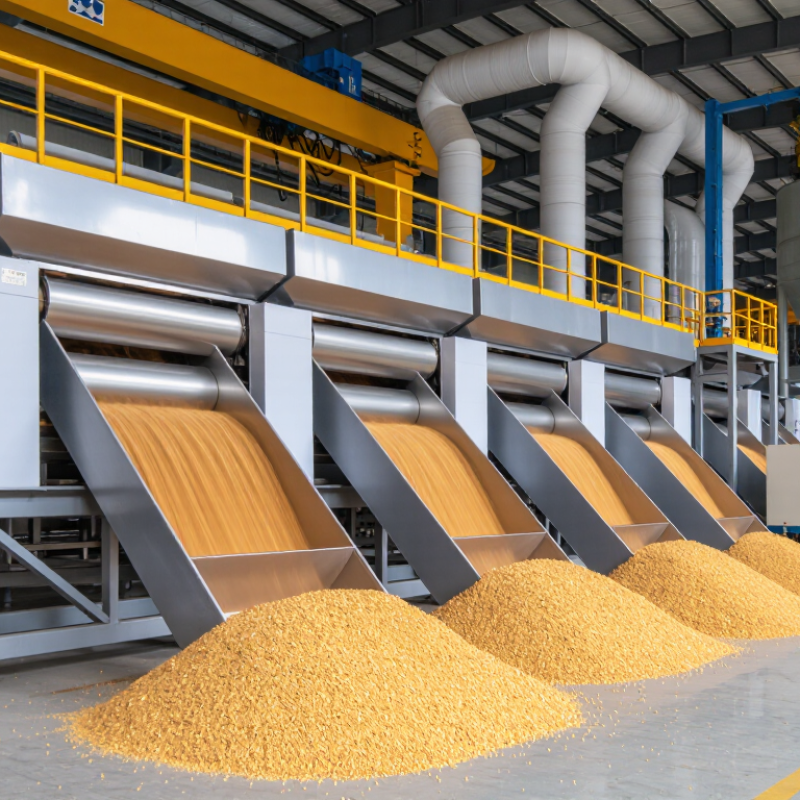
A flaking mill is a size-reduction machine designed to press grains or oilseeds into thin, even flakes. It usually contains two heavy, counter-rotating rolls. One roll may move slightly faster, creating pressure and gentle shearing. The feed passes through a carefully adjusted gap. The result is a larger surface area for cooking, drying, extraction, or further processing.
Preparation matters greatly. Clean material enters a conditioner, where controlled heat and moisture soften the kernel. Warm, flexible material flakes more evenly and produces fewer broken pieces. Roll pressure, roll speed, feed rate, and gap setting must work together. Too much pressure can create fines, heat, and unnecessary energy use. Too little pressure leaves thick, irregular flakes. It is not magic. It is controlled force.
When comparing leading flaking mill manufacturers, engineers should examine roll hardness, bearing design, safety controls, cleaning access, and spare-part support. In practical plant operation, stable feeding often matters as much as machine size. Operators should check flake thickness, motor load, vibration, and product temperature during each shift. Small changes in moisture can alter the result. That detail is easy to underestimate. Maintenance records also reveal reliability better than attractive specifications. Even well-designed equipment can perform poorly when rolls wear unevenly or calibration is ignored. A good selection process combines test data, sanitation requirements, operating experience, and realistic production targets.
How Flaking Mill Manufacturers Are Evaluated
Top 10 Flaking Mill Manufacturers in the World?
How Flaking Mill Manufacturers Are Evaluated
A reliable evaluation begins with operating evidence, not advertising claims. Buyers should compare hourly capacity, roll diameter, flake thickness, and power consumption under similar conditions. A machine producing thin, even flakes matters more than a large capacity figure. Ask for test data using the same grain, moisture level, and target thickness. Small differences can affect downstream extraction and product quality.
Build quality also deserves close inspection. Check roll alignment, bearing protection, frame strength, and adjustment accuracy. Stainless steel contact surfaces help support hygienic production and easier cleaning. Safety guards, emergency stops, and clear maintenance access should be visible, not merely listed in a brochure. Noise and vibration readings can reveal problems during a site visit. They are easy to overlook.
Service reliability separates strong manufacturers from average suppliers. Evaluate installation support, spare-part availability, response times, training, and documented maintenance schedules. Speak with several operating customers, preferably those processing similar materials. A credible manufacturer should explain limitations without avoiding difficult questions. No scorecard is perfect. Weighting can still be subjective. One buyer may value energy savings, while another prioritizes continuous operation. The best ranking combines verified performance, total ownership cost, engineering transparency, and long-term technical support.
Top 10 Flaking Mill Manufacturers Worldwide
Top 10 Flaking Mill Manufacturers Worldwide
The top 10 flaking mill manufacturers worldwide are best compared through performance, engineering depth, and field support. A serious evaluation should examine roller strength, temperature control, throughput, and maintenance access. These details affect daily production more than attractive brochures. Experienced grain processors often inspect the roll surface after extended operation. Uneven wear can reveal problems early.
Reliable manufacturers usually provide application testing before installation. They may test oats, corn, barley, or other grains under controlled moisture levels. Test results should include flake thickness, capacity, energy use, and product consistency. Clear documentation also matters. Operators need practical manuals, spare-part schedules, and responsive technical assistance. A well-designed mill should not require excessive downtime for cleaning or adjustment. Small controls matter.
A worldwide ranking should also consider manufacturing quality, safety design, customization, and regional service networks. However, no list is flawless. Local grain conditions can change the final choice. A machine performing well in a dry climate may need different settings elsewhere. Buyers should request reference installations and inspect comparable production lines when possible. Look closely. Ask difficult questions. Claims about capacity should be verified with real feed material, not only laboratory samples. Long-term reliability depends on disciplined installation, operator training, lubrication, and preventive maintenance. Even advanced equipment can underperform when these basic practices are ignored.
Top 10 Flaking Mill Manufacturers Worldwide
Global production of major grains and oilseeds commonly processed by flaking mills, 2023
Flaking mill demand is closely linked to the availability of grains and oilseeds used in animal feed, breakfast cereals, brewing, and food processing. The figures provide market context for evaluating global flaking mill manufacturing capacity without displaying company or brand-level data. Source: FAOSTAT, 2023 production data, rounded to the nearest million tonnes.
Comparing Flaking Mill Technologies, Capacity, and Service
Top 10 Flaking Mill Manufacturers in the World?
Comparing flaking mills requires more than reading a capacity table. The USDA Foreign Agricultural Service projected 2024/25 global oilseed production at about 685 million metric tons. This scale increases demand for stable, high-throughput preparation lines. Leading manufacturers should therefore be assessed by roll diameter, feed control, flake thickness, and hourly output. Published capacity often ranges from several dozen to several hundred tonnes per day per line. However, soybean moisture, temperature, and cleaning quality can change actual performance sharply.
Technology choices affect extraction efficiency and operating cost.
Corrugated rolls improve grip, while automatic gap control helps maintain consistent flakes. Steam conditioning can support better moisture distribution before pressing or solvent extraction. The FAO Food Outlook continues to monitor volatile oilseed, vegetable oil, freight, and energy markets. That makes energy use and maintenance access practical comparison points. A mill producing more tonnes is not automatically better.
Service separates impressive specifications from dependable production. Strong suppliers provide commissioning, operator training, remote diagnostics, roll regrinding, and critical spare parts. Response time matters when a worn roll stops a continuous line. ISO 9001 certification can support process discipline, but it cannot replace field evidence. Buyers should request verified data from similar seeds and comparable climates.
I would also question optimistic efficiency claims; laboratory results rarely match dusty, humid factory conditions. The uncomfortable detail is often the most useful one.
How to Choose the Right Flaking Mill Manufacturer
Choosing a flaking mill manufacturer requires more than comparing catalog prices. USDA’s Oilseeds: World Markets and Trade report estimates global oilseed production at about 680 million metric tons in 2024/25. That scale increases pressure on uptime, stable flake thickness, and easy maintenance. Ask each supplier for verified capacity under your seed type, moisture level, and target throughput. A laboratory trial is useful. However, one trial cannot represent every season.
Inspect the roll design closely. Look for automatic gap control, accurate temperature monitoring, overload protection, and accessible cleaning points. The IEA reports that electric motor systems use roughly half of global electricity, so ask for measured power consumption, not optimistic estimates. Request factory acceptance test records, bearing-life calculations, spare-parts lead times, and operator training details. Food-processing guidelines from the IFC also emphasize hygienic design, preventive maintenance, and documented sanitation procedures. These details often reveal a manufacturer’s real engineering discipline.
Service capacity matters after installation. Check whether technicians can respond remotely, carry critical parts locally, and analyze vibration or roll wear. References should come from plants processing similar materials, not only larger facilities. Be careful with unusually high capacity claims. They may depend on ideal feed conditions. I would also score communication quality during technical discussions. Slow answers before purchase rarely improve afterward. The best choice may not be the cheapest or the most famous; it is the supplier that can prove performance, safety, and support with clear records.