Top 10 Ceramic Rod Manufacturers Worldwide
Applications and Standards: Insulation, Wear Resistance, ASTM, and IEC Compliance
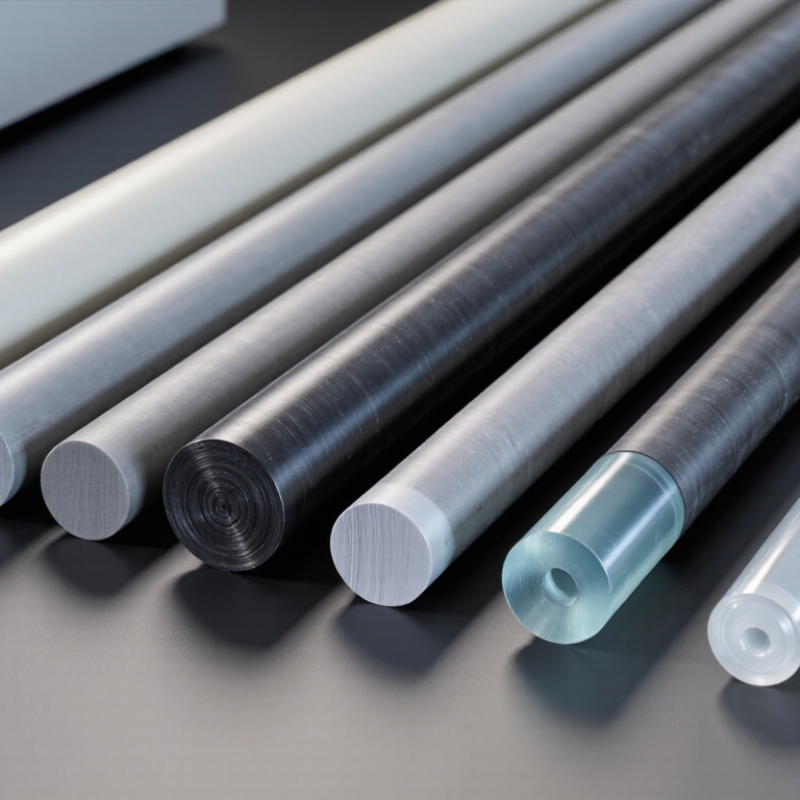
Ceramic rods support demanding work in electrical insulation, thermal processing, sensors, and mechanical guides. Alumina rods handle high temperatures and provide stable dielectric performance. Zirconia offers excellent toughness and wear resistance in moving assemblies. Steatite remains useful where economical insulation and moderate mechanical strength are required.
Application details matter. A furnace fixture may face repeated thermal shocks, while an insulating spacer may remain dry at room temperature. In both cases, buyers should review diameter tolerance, surface finish, porosity, bending strength, and thermal expansion. Small surface flaws can become failure points under vibration. This is often underestimated.
ASTM standards can define material testing, dimensions, sampling, or laboratory procedures, depending on the product specification. IEC requirements commonly address electrical insulation, creepage, clearance, dielectric strength, and safe operation within a defined system. Compliance should match the intended voltage, temperature, environment, and installation method. A general certificate is not enough.
Reliable manufacturers provide lot traceability, inspection records, and documented test conditions. They should explain whether results come from internal testing or an independent laboratory. Ask for evidence, not broad claims. Ceramic hardness improves wear resistance, but it can also increase brittleness. That trade-off deserves attention.
Some designs still fail after passing basic tests. Humidity, uneven clamping, and sudden heating may expose weaknesses. Practical validation remains essential.