Ultimate Guide to Flange Hexagon Bolts Tips for Global Buyers
In the competitive world of manufacturing and construction, understanding flange hexagon bolts is essential for global buyers. These bolts are crucial for providing strong connections in various applications. Their unique design allows for better load distribution and lower chances of loosening over time.
Many buyers struggle with selecting the right flange hexagon bolts for their projects. Inaccurate choices can lead to structural failures or increased costs. It is important to consider factors such as material, finish, and size. Each decision impacts durability and overall performance.
Buyers must also be aware of regional standards and specifications. The global market can be overwhelming, and every region has its own requirements. Engaging with reliable suppliers who understand these complexities can enhance purchasing decisions. Continuous learning and reflection on past mistakes can lead to more informed choices in the future.
Understanding Flange Hexagon Bolts: An Overview for Buyers
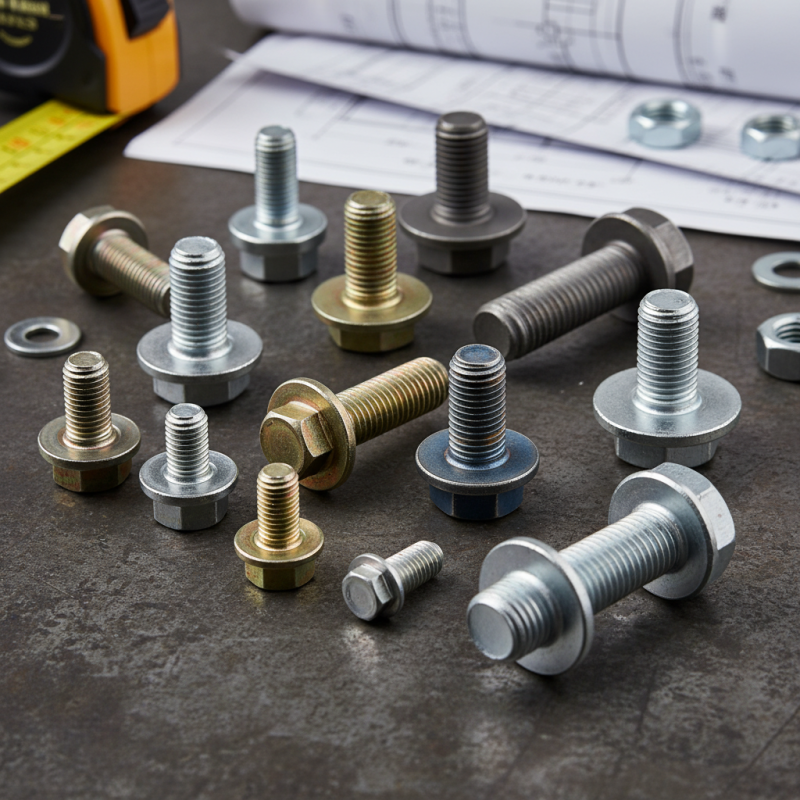
Flange hexagon bolts are essential fasteners in various industries. These bolts are known for their unique design, which includes a broad flange that acts as a washer. This feature helps distribute the load over a larger area. According to a recent market report, the global flange bolt market is projected to grow at a CAGR of 5.7% by 2026. Understanding this component's specifications can lead to more informed purchasing decisions.
When selecting flange hexagon bolts, it is vital to consider material strength and corrosion resistance. For example, stainless steel bolts are ideal for harsh environments. Data suggests that around 30% of flange bolt failures are due to material fatigue. Buyers must evaluate their specific application requirements. It is crucial to remember that not all suppliers have the same quality control standards. Engaging with trusted manufacturers can mitigate risks.
In many cases, buyers overlook the importance of precise dimensions. A slight deviation can lead to assembly issues. Reports indicate that improper torque application can reduce bolt efficiency by up to 20%. Buyers should prioritize thorough inspections and standardized testing to ensure reliability. Each detail matters in achieving optimal performance in applications.
Key Characteristics of Flange Hexagon Bolts to Consider
Flange hexagon bolts are essential components in many mechanical assemblies. Understanding their key characteristics can help global buyers make informed decisions. One critical feature is the flange design. The flange provides a larger bearing surface, which distributes the load more evenly. This design reduces the risk of loosening over time. It is vital to select the right flange size for your application.
Material choice is also significant. Flange hexagon bolts can be made from various materials, including stainless steel and carbon steel. Each material has unique properties, such as corrosion resistance. Buyers should match the bolt material to their specific environment to ensure durability. Conducting a material analysis can reveal potential weaknesses, leading to better choices.
When purchasing, check the bolts’ specifications carefully. Pay attention to the diameter, length, and thread type. Misjudging these details can lead to installation issues. Lastly, consider sourcing from reputable suppliers. This is where trust plays a role. Not all suppliers provide the same level of quality. Research and feedback can offer insights into reliability, helping you avoid costly mistakes.
Ultimate Guide to Flange Hexagon Bolts Tips for Global Buyers
| Characteristic | Description | Importance | Recommended Standards |
| Material | Common materials include carbon steel, stainless steel, and alloy steel. | Material affects the strength, durability, and corrosion resistance of the bolt. | ASTM, ISO standards. |
| Coating | Coating options include zinc plating, galvanizing, and black oxide. | Coatings enhance corrosion resistance and aesthetic appeal. | ASTM B633, ISO 2081. |
| Strength Grade | Strength grades indicate the load-bearing capability of the bolt. | Higher grades are necessary for heavy-duty applications. | Grade 8.8, 10.9, 12.9. |
| Thread Type | Common thread types include coarse and fine threads. | Determines the compatibility with nuts and other components. | UNC, UNF, Metric Thread Standards. |
| Size | Available in various diameters and lengths. | Choosing the right size is critical for ensuring fit and function. | ANSI/ASME B18.2.1, ISO 4014. |
| Flange Design | Flange design provides a bearing surface that distributes loads. | Helps prevent damage to the connected materials. | ISO 7412, ANSI B18.12. |
Materials and Coatings for Flange Hexagon Bolts: What You Need to Know
When selecting materials for flange hexagon bolts, it's crucial to consider the environmental conditions they will face. Common materials include carbon steel, stainless steel, and alloy steel. Carbon steel offers good strength but may rust if not coated properly. Stainless steel provides corrosion resistance, making it ideal for outdoor applications. However, it can be more expensive and less strong than carbon steel.
Coatings also play a key role in the performance of flange hexagon bolts. Zinc plating is popular for its balance of cost and corrosion resistance. It’s effective in mild environments but may not suffice in harsh conditions. Hot-dip galvanizing offers superior protection but adds weight and cost. Each coating has advantages and limitations, and it’s important to choose wisely based on the specific application requirements.
Despite having clear guidelines, selecting the right materials and coatings can be complex. Mixing the wrong materials can lead to failures and safety issues. Global buyers should conduct thorough research and consult experts if needed. Reflecting on material choices can yield better performance and durability. Make informed decisions to ensure the longevity of your flange hexagon bolts in various applications.
Global Sourcing Strategies for Flange Hexagon Bolts
Global sourcing for flange hexagon bolts requires careful planning and execution. Buyers must consider material quality and manufacturing processes. Verifying suppliers' certifications can enhance reliability. Watch for variations in flange designs, as these affect performance.
Many buyers overlook regional standards and regulations. Understanding these nuances is crucial for successful sourcing. Some suppliers may not meet industry standards, resulting in poor product quality. Regular audits and evaluations of suppliers help mitigate this risk. Building relationships with multiple suppliers can provide flexibility.
Additionally, consider the logistical aspects of sourcing. Shipping times and costs can impact your supply chain efficiency. Assessing a supplier's location can reveal potential delays. Utilizing local suppliers may prove beneficial, but costs can vary significantly. Balancing quality, cost, and availability requires continuous reflection and adaptation.
Common Applications and Usage Guidelines for Flange Hexagon Bolts
Flange hexagon bolts are widely used in various industries. These bolts offer a reliable connection in applications where the load performance is crucial. Common applications include machinery assembly, construction projects, and automotive components. Their design allows for higher clamping forces, which is often needed in heavy-duty environments.
When using flange hexagon bolts, it’s essential to consider the materials they are made from. Corrosion-resistant materials are recommended for outdoor applications. Proper torque settings are also vital. Over-tightening can lead to bolt failure, while under-tightening may cause loosening.
It’s important to ensure that the flange surface is clean before installation. Any debris can affect the load distribution. Regular inspections should be conducted to assess wear and tear. Understanding these details can significantly improve the performance of your bolted connections.