
Finding the right Remodeling Contractor in 2026 will require more than comparing online ratings. Home renovation remains a major household investment. The Joint Center for Housing Studies of Harvard University reported that U.S. homeowners spent about $472 billion on improvements and maintenance in 2022. Its Leading Indicator of Remodeling Activity also tracks changing demand, labor pressure, and project costs. These figures reveal a practical truth: contractor selection affects both financial results and daily life.
Start with evidence from real projects. Ask for recent references, itemized estimates, proof of insurance, and applicable local credentials. Request photographs showing details, such as cabinet alignment, waterproofing, trim joints, and finished electrical work. A polished website is not proof. A vague proposal is a warning. Houzz’s 2024 U.S. Houzz & Home Study reported substantial median spending for major kitchen and bathroom renovations, showing how quickly small omissions become expensive changes. Your contractor should explain allowances, materials, scheduling, permits, and change-order fees in plain language.
Look beyond the lowest bid. The National Association of Home Builders’ Remodeling Market Index offers useful industry insight into market activity and contractor conditions, but it cannot replace project-specific due diligence. Speak with homeowners who completed similar work within the past year. Watch how the contractor answers difficult questions. Clear communication matters when walls open, deliveries arrive late, or hidden damage appears. Even careful owners miss details. I would still compare at least three written proposals, then verify every important promise independently. The best choice is not always the cheapest or most charismatic. It is the professional who documents assumptions, manages risk, and earns trust before demolition begins.
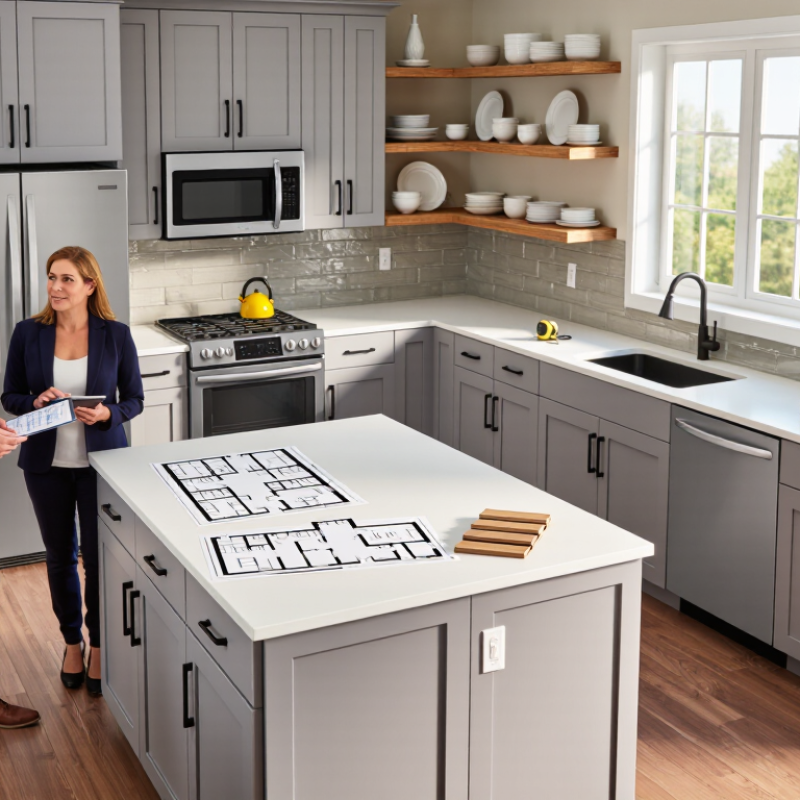
Before contacting a remodeling contractor, define what success looks like in your home. Are you improving storage, repairing aging systems, or changing daily movement? Write the problem beside the desired result. A cramped kitchen may need wider walkways, not simply new cabinets. Measure rooms, photograph existing conditions, and note how your family uses each space. These details give contractors useful evidence during site visits. They also reduce vague estimates.
Separate essential work from attractive extras. A leaking pipe, unsafe wiring, or damaged structure deserves priority over decorative upgrades. Create a scope document with materials, finishes, access limits, and expected disruption. Include questions about permits, waste removal, dust control, and daily cleanup. Experienced contractors should explain sequencing, risks, and realistic allowances clearly. Ask how they handled similar complications, not only for photos of finished rooms. Specific answers reveal practical experience.
Set a budget range, not a hopeful single number. Request itemized estimates identifying labor, materials, allowances, and exclusions. Keep a contingency reserve for concealed damage, especially in older homes. Ten to twenty percent may be sensible, but local conditions can change that figure. I once underestimated disposal and repair time on a small renovation; the schedule slipped and trust suffered. That mistake taught me to record assumptions before signing anything. Review payment stages, change-order procedures, insurance, references, and written warranties. If a proposal feels rushed or unclear, pause and ask for revisions.
Research Qualified Remodeling Contractors in Your Area
A reliable contractor search starts locally, not with the lowest online quote. The Harvard Joint Center for Housing Studies reports that nearly half of U.S. homes were built before 1980. Older wiring, plumbing, and framing can hide behind fresh paint. Ask contractors about similar projects completed nearby. Request addresses, project photos, license details, and current insurance certificates. Then contact recent clients, not only the references selected years ago.
Check public licensing records before signing anything. The Federal Trade Commission recommends collecting several written estimates with identical project details. Compare labor, materials, permits, payment stages, and change-order rules. A professional estimate should explain who handles inspections and waste removal. It should also identify realistic start and completion windows. Vague promises create expensive confusion.
Look for documented experience.
During interviews, notice small behaviors. Does the contractor measure moisture near a bathroom wall? Do they explain why a permit may be necessary? Do they answer directly when you ask about delays? The National Association of Home Builders continues to report persistent shortages in skilled construction labor. That pressure can affect scheduling and workmanship. I would not treat a fast start as proof of quality. My own checklist would include a written warranty, daily site-protection plans, and one named project supervisor. Even careful research has limits. References can be incomplete, and polished estimates can still miss hidden damage.
Research qualified remodeling contractors in your area by comparing practical verification steps before requesting a final quote. A strong candidate should provide current licensing information, proof of insurance, multiple recent references, a detailed written estimate, and clear permit responsibilities.
How to Find a Top Remodeling Contractor in 2026?
A reliable remodeling contractor should provide a current license number before discussing payment schedules. Check that number through your state or local licensing authority. Confirm the business carries general liability and workers’ compensation insurance. Ask for certificates sent directly by the insurer, not blurry screenshots. Small details matter.
Request three recent references with similar project sizes and materials. Call each client and ask about delays, cleanliness, communication, and unexpected charges. Visit completed work when possible. Look closely at cabinet joints, tile lines, paint edges, and floor transitions. Good work usually survives close inspection. One polished photo proves very little.
Ask how the contractor handles change orders, damaged materials, and missed deadlines. The answers reveal more than a confident sales presentation. Compare the written contract with every verbal promise. Names, payment stages, start dates, and warranty terms should match. I would also speak with subcontractors, if the contractor permits it. Their answers can expose scheduling problems early. Still, no verification method is perfect. A reference may be unusually generous, and a clean project may hide stressful communication. Trust evidence, but keep asking careful questions.
A top remodeling contractor is not always the cheapest bidder. Harvard Joint Center for Housing Studies reported that U.S. homeowners spent about $472 billion on improvements and maintenance in 2022. That scale makes careful comparison essential. Ask for itemized bids showing labor, materials, permits, disposal, allowances, and exclusions. Vague totals create expensive surprises.
Compare each proposal line by line. One contractor may price solid wood cabinets, while another uses a lower allowance. Check quantities, product grades, and payment stages. The 2024 Cost vs. Value Report estimated a 96.1% resale return for a midrange minor kitchen remodel, but local costs vary widely. Resale value is not guaranteed. It is only a useful reference point.
The contract should name the scope, change-order process, completion date, cleanup duties, and warranty terms. Request a timeline with inspection points, delivery risks, and weather delays. A two-week promise may sound attractive. It may be unrealistic. Ask how delays are documented and who pays for approved changes. Review warranty coverage for labor, materials, and water-related damage. Confirm whether corrections require written notice within a stated period. I have found that even a strong checklist misses hidden conditions behind walls. Leave room for questions, and never treat a polished proposal as proof of workmanship. References, insurance documents, licensing records, and recent comparable projects offer stronger evidence.
Finding a capable remodeling contractor requires more than comparing online ratings. Ask for a current license, insurance evidence, recent references, and a detailed project portfolio. Call at least two former clients. Ask whether the crew arrived on schedule, protected floors, and handled changes clearly. Then verify who will supervise your home each day.
Your written agreement should define materials, labor, permits, payment stages, deadlines, cleanup, and change orders. Use plain language. Details matter. Avoid large upfront payments, and connect payments to completed work. Before construction starts, photograph walls, floors, furniture, and existing damage. These records can prevent confusion later.
Manage the project with a short weekly meeting and written updates. Confirm deliveries, inspections, open decisions, and the next week’s tasks. Keep one communication channel for instructions. A low bid can feel attractive, but it may hide missing preparation or unrealistic allowances. I would not ignore a contractor’s small errors during early discussions. They may reveal weak organization. Still, good professionals can explain mistakes, correct them promptly, and document the change. Visit the site safely, ask direct questions, and request evidence when an answer affects cost or quality. Expect some disruption, but do not accept careless work as normal.
| Project Stage | Evaluation Dimension | Practical Data Point | Recommended Benchmark or Requirement | Verification Method | Professional Management Action |
|---|---|---|---|---|---|
| 1. Define the Scope | Written project brief | Plans, room measurements, finishes, fixtures, exclusions, and performance expectations | One shared scope document before requesting final bids | Ask each contractor to price the same written scope and identify omissions | Use a version-controlled scope so later changes can be distinguished from original requirements |
| 2. Build the Shortlist | Qualified candidates | Relevant experience, local availability, project capacity, and references for similar work | Review at least 3 qualified candidates before selection | Request recent references for projects with similar size, complexity, and finish level | Record each candidate’s strengths, limitations, estimated start window, and communication process |
| 3. Verify Credentials | License and registration | Current contractor license or registration where required by the local authority | Name, status, classification, and expiration date should match the contracting entity | Check the official state, provincial, or municipal licensing database | Save a dated verification record and confirm who will legally sign the contract |
| 4. Check Risk Protection | Insurance coverage | General liability insurance and workers’ compensation coverage where applicable | Obtain certificates directly from the insurer or authorized agent before work begins | Confirm policy dates, named insured, coverage type, and whether subcontractors are covered | Do not allow site work to start while required coverage is expired or unverified |
| 5. Compare Proposals | Bid completeness | Labor, materials, allowances, permits, disposal, site protection, taxes, and exclusions | Every proposal should use the same scope and clearly separate fixed prices from allowances | Compare line items instead of relying only on the total price | Ask written questions about unusually low allowances, missing work, and undefined terms |
| 6. Assess Price Quality | Bid variance | Difference between comparable bids after scope normalization | Investigate major price gaps rather than automatically choosing the lowest bid | Reconcile quantities, specifications, labor assumptions, and exclusions | Choose the proposal with the clearest scope, realistic assumptions, and manageable risk |
| 7. Confirm the Contract | Contract completeness | Parties, scope, price, payment schedule, start conditions, completion terms, warranty, and dispute process | All material promises should be written and signed before mobilization | Have the contract reviewed by a qualified construction or legal professional when appropriate | Attach the final scope, drawings, specifications, allowances, and approved selections as exhibits |
| 8. Control Payments | Payment milestones | Payments tied to measurable progress rather than calendar dates alone | Each payment should correspond to completed, inspected, and documented work | Match invoices with site progress, delivery records, and any required releases | Keep a payment ledger and retain documentation required by local lien laws |
| 9. Manage Permits | Permit responsibility | Required building, electrical, plumbing, mechanical, or specialty permits | Responsibility for applications, fees, inspections, and final approvals must be explicit | Confirm permit status through the relevant building department | Schedule work around required inspections and retain approved plans and inspection records |
| 10. Plan the Schedule | Baseline programme | Preconstruction tasks, procurement, inspections, construction activities, and handover | Include start conditions, milestone dates, dependencies, and weather or supply assumptions | Review the schedule with the contractor before signing or issuing a notice to proceed | Update actual progress weekly and document the cause of every material delay |
| 11. Control Changes | Change-order discipline | Description, reason, cost impact, schedule impact, and approval status for each change | No non-emergency change should proceed without written approval | Use sequential change-order numbers and compare the revised contract value with the original | Maintain a live change log showing pending, approved, rejected, and completed changes |
| 12. Track Quality | Inspection and punch list | Workmanship checks, concealed-work inspections, testing, defects, and completion status | Inspect before covering work and complete a documented punch list before final payment | Use dated photographs, inspection reports, product data, and signed completion records | Assign each defect an owner, due date, and completion confirmation |
| 13. Manage Communication | Decision response time | Time required to answer questions, approve selections, and resolve field issues | Set an agreed response window, such as 1–2 business days for routine decisions | Use one shared communication channel and summarize verbal decisions in writing | Maintain a decision register to prevent delays caused by unresolved selections |
| 14. Protect the Site | Safety and cleanliness | Access control, dust protection, waste removal, temporary services, and occupied-home procedures | Document daily or weekly housekeeping and define responsibility for site security | Include site rules in the contract and review them during the kickoff meeting | Record incidents, restricted areas, utility shutdowns, and corrective actions |
| 15. Close the Project | Handover package | Final approvals, warranties, manuals, receipts, as-built information, keys, and maintenance instructions | Receive the complete closeout package before releasing final funds, subject to contract terms and local law | Use a closeout checklist and verify that unresolved items are documented | Schedule a warranty review and keep all project records in a permanent digital folder |