
×

How to Choose Bulk FIBC Bag Suppliers Worldwide

Choosing reliable Bulk Fibc Bag Suppliers requires more than comparing prices on a spreadsheet. The right partner protects product quality, worker safety, delivery schedules, and customer trust. FIBC bags may look similar. Their performance can differ greatly.

Packaging quality consultant Michael R. Galante states, “A dependable FIBC begins with traceable materials, not a polished sales pitch.” This principle deserves attention. Buyers should examine polypropylene grades, fabric strength, stitching quality, liner options, and safe working load ratings. Ask for recent test reports, production samples, and clear quality-control procedures. A supplier should explain how each batch is inspected and documented.

Experience also matters. Review the supplier’s history with chemicals, agriculture, minerals, food ingredients, or construction materials. Their previous projects can reveal practical knowledge that brochures often hide. Check factory capacity, lead times, export experience, and communication habits. A factory visit can be useful. Even a video audit may expose crowded storage areas, weak labeling, or inconsistent stitching.

Do not trust promises alone.

Reliable Bulk Fibc Bag Suppliers provide consistent specifications, responsive support, and realistic delivery commitments. They should discuss palletizing, container loading, moisture protection, and regional shipping limitations. Independent references can strengthen your evaluation. However, no checklist is perfect. A supplier may pass one audit and still disappoint later. Regular inspections and written specifications remain necessary.

This guide explains how to compare worldwide suppliers with greater confidence. It focuses on evidence, not attractive claims. The goal is simple: select a partner whose bags perform safely, consistently, and economically in real operating conditions.
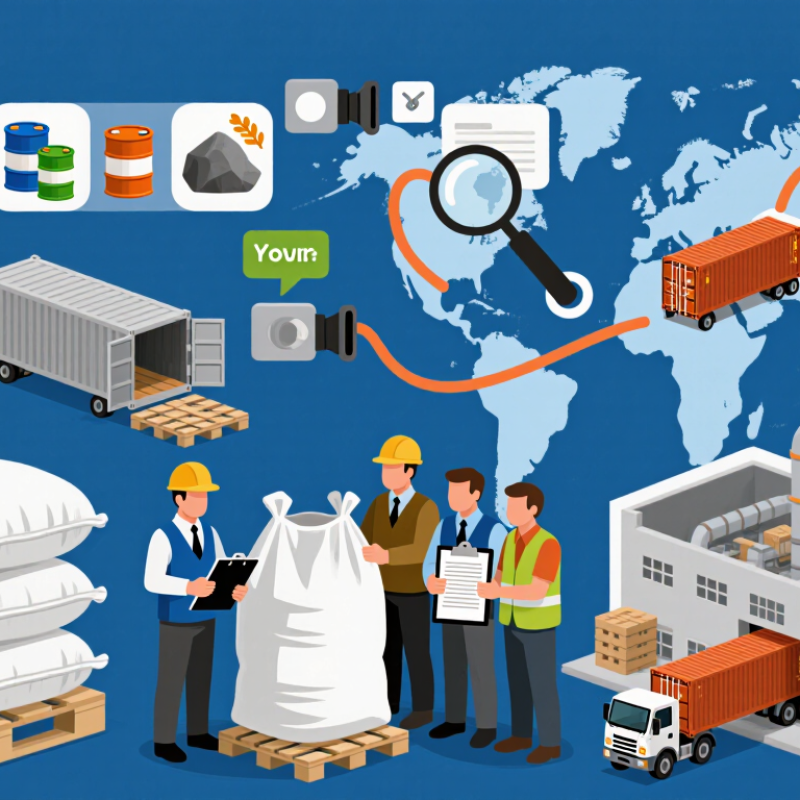
How to Choose Bulk FIBC Bag Suppliers Worldwide

Understanding Bulk FIBC Bag Requirements

Understanding Bulk FIBC Bag Requirements

Choosing a bulk FIBC bag supplier begins with defining the load, not comparing prices. Record the product’s density, weight, moisture sensitivity, and flow behavior. A one-ton powder needs different fabric and discharge options than dry agricultural granules. Confirm the required safe working load and safety factor before requesting quotations. Bag dimensions must also match pallets, containers, filling equipment, and warehouse height.

Specify the lifting design carefully. Four corner loops, cross-corner loops, and sleeve systems suit different handling equipment. Select top and bottom styles based on filling speed and controlled discharge. For dusty materials, request sift-resistant seams and an appropriate liner. Static-sensitive products may require conductive or antistatic construction, supported by documented testing. Ask for fabric weight, seam specifications, raw-material details, and inspection records. Certificates matter, but they should match the actual production batch.

A sample trial is more useful than a polished brochure. Fill the bag with the real product, lift it using normal equipment, and inspect seams after transport simulation. Check whether the liner folds, the spout closes properly, and the bag fits the pallet without overhang. Requirements can change during testing. That is not failure; it reveals missing details. I have seen projects focus on capacity while ignoring discharge height and storage duration. Those small omissions can create costly handling problems. Require clear drawings, traceable batch records, and an agreed inspection plan before placing a bulk order.

Identifying and Comparing Global FIBC Bag Suppliers

Choosing bulk FIBC bag suppliers worldwide requires more than comparing quoted prices. A reliable supplier should explain fabric grade, safe working load, safety factor, stitching method, and filling design clearly. Ask for recent test reports, production photos, and sample bags before placing a large order. In practice, small details matter. A weak seam may appear only after loading.

When identifying global suppliers, compare their manufacturing experience, quality controls, export records, and communication speed. Check whether they can maintain consistent dimensions across repeated shipments. Their packaging should protect bags from moisture, dust, and deformation during transport. It is also useful to review traceability records for fabric, thread, and finished products. However, documents can look impressive without proving daily consistency. This is where independent inspection or a controlled trial order becomes valuable.

Tips: Build a comparison sheet with price, lead time, minimum order quantity, testing, customization, and after-sales support. Request the same information from every supplier. Compare like with like. Ask who handles quality issues when defects are found. Do not choose the cheapest offer too quickly; freight delays, rejected bags, and repacking costs may change the real total. My own preference is to test a modest batch first, because supplier performance sometimes differs from the sales promise.

How to Choose Bulk FIBC Bag Suppliers Worldwide - Identifying and Comparing Global FIBC Bag Suppliers
Supplier Profile Typical Production Region Common FIBC Capacity Typical MOQ Indicative Lead Time Indicative Export Price* Common Certifications Best Fit
High-volume integrated manufacturer South Asia and East Asia 500–2,000 kg safe working load; standard, conductive, coated, and food-contact options 5,000–20,000 bags 35–60 days after approval US$1.80–4.50 per standard bag ISO 9001; food-contact documentation where applicable; UN certification for approved designs Large repeat orders and cost-sensitive global supply chains
Mid-sized custom manufacturer South Asia, Southeast Asia, and East Asia 500–2,000 kg safe working load; custom dimensions, liners, discharge systems, and printing 1,000–5,000 bags 30–55 days after sample approval US$2.20–6.00 per bag ISO 9001; BRCGS or equivalent food-packaging controls may be available; UN testing by design Importers requiring flexible specifications and moderate order volumes
Regional export supplier Eastern Europe, Türkiye, and the Mediterranean region 500–1,500 kg safe working load; standard and coated bags with shorter regional transit 500–3,000 bags 25–50 days after order confirmation US$2.80–7.00 per bag ISO 9001; food-contact compliance and UN certification subject to product design European, North African, and Middle Eastern buyers prioritizing lead time
Specialty safety and hazardous-material supplier Europe, East Asia, and South Asia 500–2,000 kg safe working load; Type C or Type D conductive designs, UN-certified options 1,000–5,000 bags 45–75 days, including testing and documentation US$4.50–15.00 per bag ISO 9001; IEC 61340-related controls where relevant; UN performance certification for approved models Chemical, pharmaceutical, mineral, and flammable-dust applications
Food and pharmaceutical packaging specialist Europe, South Asia, and East Asia 500–1,500 kg safe working load; food-grade fabric, clean-room packing, and PE liners 1,000–5,000 bags 40–70 days after technical approval US$3.50–12.00 per bag ISO 9001; HACCP or BRCGS-based controls; applicable food-contact declarations Food ingredients, powders, additives, and regulated raw materials
Low-volume distributor or stock supplier North America, Western Europe, and major logistics hubs worldwide 500–1,500 kg safe working load; mainly standard bags held in stock 50–500 bags 2–15 days from local stock; 30–60 days for new production US$4.00–12.00 per bag Documentation varies; request the original manufacturer’s test reports and declarations Urgent replenishment, sampling, and small or irregular orders
Benchmark note: Price ranges are indicative export-market ranges for a new, unprinted polypropylene FIBC with approximately 1,000 kg safe working load. Actual quotations vary according to fabric weight, safety factor, dimensions, coating, liner, construction, testing, order quantity, Incoterms, freight, and destination. Certifications apply only when supported by current product-specific documents.

Evaluating Quality, Certifications, and Production Standards

Selecting a bulk FIBC supplier requires more than comparing prices. ISO 21898 defines key requirements for flexible intermediate bulk containers, including construction, performance, and testing. Ask for current test reports, not scanned certificates alone. Check safe working load, safety factor, seam strength, fabric weight, and discharge design against your application.

The 2022 ISO Survey recorded 1,265,216 ISO 9001 certificates across 189 countries and economies. This figure shows broad adoption of quality systems, but certification does not guarantee every shipment is consistent. Review the supplier’s inspection plan, calibration records, batch traceability, and nonconformance process. Production samples should be tested independently when the cargo is sensitive, heavy, or exposed to repeated handling. Small details matter. A loose stitch can become a costly failure.

Visit the production site, physically or through a live video audit. Observe yarn storage, fabric weaving, cutting, sewing, cleaning, and final packing. Ask how operators separate different specifications on the same line. Request records for at least three recent batches. The supplier should explain raw-material controls and retain samples after dispatch. Reports from recognized testing laboratories add credibility, especially when they identify methods, sample numbers, and test dates. A certificate may be genuine yet outdated. That is an uncomfortable point worth checking. Supplier evaluation should also include corrective-action response time, complaint history, and the ability to reproduce approved samples at scale.

Reviewing Pricing, Minimum Orders, and Shipping Terms

How to Choose Bulk FIBC Bag Suppliers Worldwide

Price is only the visible part of an FIBC bag quotation. Ask for a detailed breakdown covering fabric weight, coating, loop design, printing, testing, and packing. A lower unit price may hide thinner fabric or expensive preparation charges. Compare landed cost, not just the factory price. Include freight, insurance, import duties, and local handling fees. Request a written quotation with currency, validity period, and payment milestones.

Minimum order quantity can change the real cost quickly. Some suppliers accept a small trial order, while others require several thousand bags. Confirm whether the MOQ applies to one size, one color, or one printed design. I usually request samples before committing to bulk production. Check stitching, seams, lifting loops, discharge spouts, and inner liners by hand. Small details matter. A rushed sample review can create expensive rework later.

Shipping terms deserve equal attention. Clarify whether the offer uses EXW, FOB, CIF, or another agreed Incoterm. Confirm the loading port, estimated production time, sailing schedule, and document responsibilities. Ask how many bags fit in a container without damaging compression-sensitive parts. Also check insurance coverage, demurrage risks, and procedures for delays. In practice, forecasts are not always accurate. Weather, port congestion, and production changes can disrupt a careful plan, so keep realistic time reserves. Supplier responses should be specific, consistent, and supported by quality records.

How to Choose Bulk FIBC Bag Suppliers Worldwide

Indicative bulk purchasing benchmarks for pricing, minimum order quantities, and shipping lead times

The chart compares common sourcing benchmarks for standard bulk FIBC bags. Larger orders generally reduce the estimated unit price, while minimum order quantities and shipping lead times vary by production scale, customization, destination, and delivery terms. Actual quotations should confirm material grade, bag dimensions, printing, testing, Incoterms, and freight costs.

Selecting a Reliable Supplier for Long-Term Cooperation

Choosing a bulk FIBC bag supplier worldwide requires more than comparing unit prices. Long-term cooperation begins with verified production experience, clear communication, and consistent quality records. Ask how the supplier controls fabric strength, stitching, dimensions, and safe working load. Request recent inspection reports and sample bags from the same production line. A polished sample can hide weak process control.

During evaluation, discuss your actual loading conditions, including powder density, filling temperature, lifting method, and storage time. An experienced supplier should recommend suitable bag construction instead of accepting every request. Check whether technical staff can provide drawings, test data, and corrective action reports. Small details matter: label accuracy, pallet stability, moisture protection, and delivery records affect daily operations. Keep communication practical.

Before signing a long-term agreement, arrange a trial order with measurable acceptance criteria. Review production updates, shipment timing, defect rates, and response speed after delivery. Reliable partners disclose problems early and propose workable adjustments. Still, no supplier performs perfectly. It is easy to mistake fast replies for reliability, but documentation often matters more. Build a review schedule, retain approved samples, and record every change in writing. A supplier willing to discuss mistakes may support stronger cooperation than one promising flawless performance.