
×

China Best Skincare Set Box Supplier for Global Buyers

Choosing the right China Best Skincare Set Box Supplier can shape a brand’s quality, cost, and market reputation. Global buyers need more than attractive packaging photos. They need stable production, clear communication, and evidence behind every claim. A reliable supplier should understand skincare packaging, product compatibility, export documentation, and regional labeling requirements.

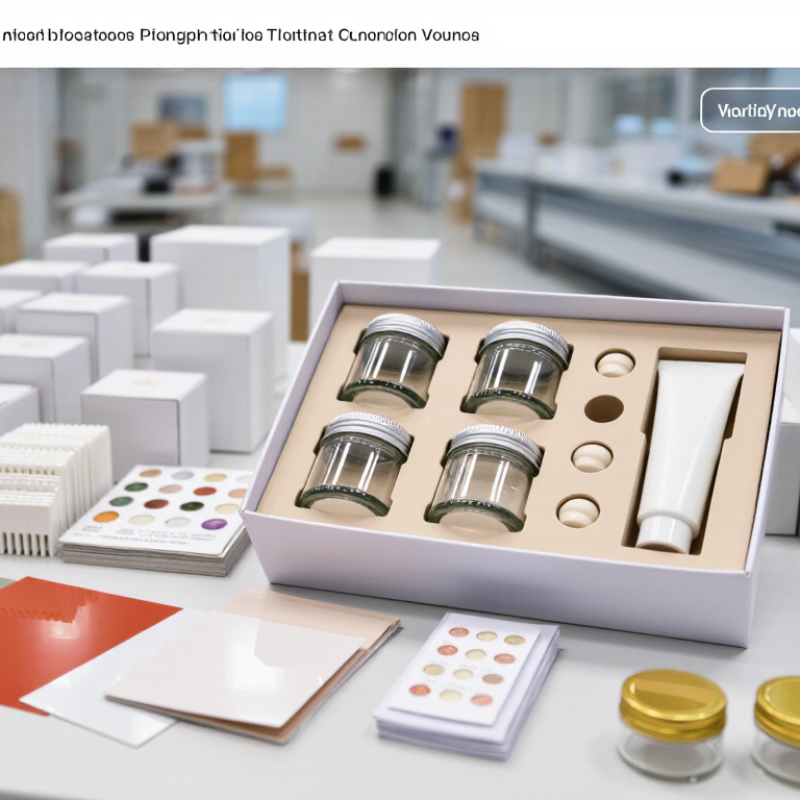
Details matter. A well-designed Skincare Set Box may include glass jars, soft tubes, molded inserts, protective films, and printed instruction cards. Each part should fit securely during long-distance shipping. Experienced suppliers can explain material choices, coating options, color matching, and production timelines. They should also provide samples before mass production. Batch records, inspection reports, and traceable packaging specifications add practical confidence.

Still, no supplier is perfect. A polished catalog can hide weak quality control. Delivery estimates may also change during busy seasons. Buyers should ask direct questions about minimum order quantities, replacement policies, factory audits, and testing procedures. Independent verification remains valuable. I have found that small sample checks often reveal issues that large promises conceal. A dependable partner responds clearly when problems appear, rather than avoiding responsibility.

This guide explores how global buyers can evaluate Chinese skincare set box manufacturers with greater confidence. It considers craftsmanship, customization, compliance awareness, communication, and long-term service. The goal is not to choose the cheapest option. It is to find a supplier that protects product presentation and customer trust. Good packaging supports a better first impression. Reliable processes protect that impression after delivery.
China Best Skincare Set Box Supplier for Global Buyers

Defining “Best” China Skincare Set Suppliers for Global Buyers

For global buyers, “best” does not mean the cheapest China skincare set box supplier. It means consistent quality, clear documentation, and reliable communication.

McKinsey’s 2024 beauty market analysis projects global beauty sales to approach 590 billion US dollars by 2028. Skincare remains the largest category, representing about 40% of the market. This growth increases pressure on suppliers to prove their manufacturing discipline.

A capable supplier should provide ingredient specifications, batch records, stability testing, and packaging compatibility data. ISO-based quality procedures are useful, but certificates alone cannot prove daily performance.

Buyers should request recent inspection records, sample comparisons, and production photographs. A practical check includes opening several finished boxes. Look for clean seals, readable labels, uniform filling, and stable textures. Small defects often reveal larger process weaknesses.

Packaging also deserves technical attention. The box should protect jars, tubes, or bottles during international transport. Suppliers should explain carton strength, inner protection, and humidity control.

The minimum order quantity must match the buyer’s testing budget and sales forecast. A low price can hide expensive revisions.

No supplier is perfect. I would still question suppliers that promise every finish, formula, and delivery date without evidence. Euromonitor International identifies product quality, ingredient transparency, and convenience as important beauty purchasing factors. Therefore, the strongest supplier combines factory experience with honest limitations, measurable quality controls, and responsive after-sales handling.

Global Skincare Demand: A $155.7B Market in 2023 (Grand View Research)

China Best Skincare Set Box Supplier for Global Buyers

Grand View Research valued the global skincare products market at $155.7 billion in 2023. It forecasts a 4.7% compound annual growth rate from 2024 to 2030. This expansion reflects demand for cleansers, serums, moisturizers, and travel-size routines. McKinsey & Company also expects the broader beauty market to approach $590 billion by 2028. Skincare remains one of its strongest categories.

Global buyers need more than attractive packaging. Experienced procurement teams check ingredient documentation, batch traceability, stability testing, and production consistency. A reliable China skincare set box supplier should support controlled sampling, clear specifications, and export-ready records. ISO 22716-based manufacturing practices can strengthen quality management. Local packaging details matter too. A rigid box, secure insert, and readable label reduce damage during long-distance shipping.

Low pricing is not proof of value. It can hide weak testing or inconsistent materials. That risk deserves attention. Buyers should compare samples from different production batches, not only one polished prototype. They should also confirm requirements for destination markets, including cosmetic safety files and labeling rules. A supplier may offer fast customization, yet delays can appear when artwork, formula, or packaging changes late. Careful communication remains essential. Mistakes still happen, especially with complex gift sets. Recognizing that early makes the sourcing process more honest and manageable.

China Best Skincare Set Box Supplier for Global Buyers - Global Skincare Demand: A $155.7B Market in 2023 (Grand View Research)

Data Dimension Data Point Recommended Buyer Specification Commercial Relevance
Global skincare market size US$155.7 billion in 2023 Prioritize scalable gift-set packaging for mass, premium, and travel-size collections. Indicates a large global demand base for coordinated skincare product sets.
Forecast market growth Approximately 4.8% CAGR forecast for 2024–2030 Use modular box inserts that can accommodate future product combinations. Flexible packaging reduces redesign costs as product assortments expand.
Common skincare set format 3–5 coordinated products per set Design compartments for cleanser, toner, serum, moisturizer, and mask formats. Supports routine-based merchandising and clear product organization.
Travel skincare set Typical container capacity: up to 100 mL per liquid container for air travel Recommended set: 4–5 containers of 30–100 mL each with a compact inner tray. Suitable for travel retail, trial sizes, hotel amenities, and promotional kits.
Rigid gift box structure Common board thickness: approximately 1.2–2.0 mm Use a rigid setup box with a magnetic, lift-off, or hinged lid. Provides stronger protection and a premium unboxing experience.
Folding carton structure Typical paperboard range: approximately 300–400 gsm Use tuck-end or crash-lock cartons for lightweight skincare combinations. Offers efficient flat shipping, lower storage volume, and cost control.
Packaging sustainability Paper and paperboard are widely recyclable where local collection systems exist Specify paper-based inserts, water-based coatings, and minimal mixed materials. Simplifies material separation and supports sustainability communication.
Export carton efficiency Use standard outer-carton formats with consistent case counts Confirm carton dimensions, gross weight, pallet pattern, and loading quantity before production. Improves freight planning and reduces unused shipping space.
Quality-control checkpoints Artwork, color, dimensions, insert fit, surface finish, and drop resistance Approve a pre-production sample and conduct final inspection against an approved standard. Helps maintain consistency across international purchase orders.
Data note: The global market-size and CAGR figures are based on the Grand View Research skincare market reference cited in the title. Packaging dimensions and specifications are practical industry ranges and should be finalized according to the product size, protection requirements, logistics route, and destination-market regulations.

Product Sets, INCI Standards, and Packaging for International Markets

China Best Skincare Set Box Supplier for Global Buyers

Global skincare demand rewards suppliers that combine product quality with market discipline. Grand View Research estimated the global skincare market at USD 155.7 billion in 2023. This scale increases buyer expectations. A set box should match the customer’s routine, skin type, and regional compliance needs. Cleanser, serum, cream, and mask combinations need clear usage instructions. Small details matter.

INCI naming supports consistent ingredient communication across international markets. However, INCI listing alone does not prove product safety or legal approval. Reliable suppliers should provide formula records, certificates of analysis, stability data, microbial testing, and traceable batch information. ISO 22716 offers widely recognized guidance for cosmetic manufacturing practices. Practical audits often reveal missing documents or inconsistent translation. That weakness needs attention.

Packaging also influences purchasing decisions and logistics costs. According to McKinsey’s State of Fashion: Beauty 2025, the global beauty market may grow by about 5% annually through 2028. Buyers therefore need packaging that protects products while controlling freight volume. Test the carton before mass production. Check pump compatibility, seal strength, drop resistance, and temperature performance. Paperboard, glass, and plastic each involve different trade-offs. Sustainable claims must be specific and evidence-based. A lighter box is not automatically a better box. Suppliers serving global buyers should provide dielines, material specifications, artwork checks, and pre-shipment inspection records. Regional labeling rules still require independent review.

OEM/ODM Capacity, MOQ, Lead Times, and Asia-Pacific Market Share

China Best Skincare Set Box Supplier for Global Buyers

OEM/ODM Capacity, MOQ, Lead Times, and Asia-Pacific Market Share

For global buyers, supplier selection starts beyond glossy packaging. Experienced procurement teams inspect formula records, stability testing, packaging tolerances, and batch traceability before signing an order. A capable OEM/ODM factory can develop cleansers, serums, creams, and coordinated gift boxes from one brief. It should also provide ingredient documentation, sample revisions, and controlled pilot runs. Ask who owns the formula and how changes are approved.

MOQ often differs by product type. Stock containers may begin near 1,000 sets, while custom molds or printed components can require 3,000 to 10,000 units. These figures are not universal. Confirm them in writing. Lead times commonly range from 25 to 45 days for ready components, while new formulations may need 60 to 120 days, including testing and artwork approval. Sea freight planning adds another variable.

Asia-Pacific demand is growing, but market-share claims deserve caution. Public figures may combine skincare, cosmetics, and contract manufacturing. A reliable supplier should show shipment experience by destination, not inflated percentages. Buyers should request production photos, recent quality records, and an auditable inspection process. Small mistakes happen. A color shift between samples and mass production can still damage a launch. One signed golden sample, retained by both parties, reduces that risk. Clear communication matters most when deadlines tighten.

Supplier Compliance: ISO 22716, Safety Testing, Claims, and Import Rules

China Best Skincare Set Box Supplier for Global Buyers

Supplier Compliance: ISO 22716, Safety Testing, Claims, and Import Rules

A reliable skincare supplier should provide clear compliance evidence, not attractive promises. ISO 22716 supports controlled manufacturing, hygiene, documentation, and batch traceability. It is a useful framework, but it does not replace product safety testing or local registration.

Ask for stability data, microbiological testing, preservative efficacy results, and packaging compatibility records. Testing should match each formula and its intended use. Review the ingredient list, product specifications, and batch release procedures before placing a large order. Claims also require evidence. “Hydrating” needs suitable support, while stronger claims may require clinical or instrumental data. Avoid vague promises.

Import rules differ by market. Check labeling language, ingredient restrictions, responsible-party duties, product files, and customs documents with a qualified local adviser. In supplier audits, buyers sometimes find certificates with outdated factory details. A polished file can still hide weak batch records. That is worth questioning.

Tips: Request recent documents with matching company names, factory addresses, product codes, and validity dates. Order samples from a controlled batch. Compare the sample label with the final artwork and shipping paperwork. Keep written approval records. Small gaps become expensive later.