2026 Best Construction General Contractor Tips and Trends?
The construction industry is rapidly evolving, driven by technology and changing market needs. In 2022, it was reported that the global construction market was valued at over $12 trillion, with a projected growth rate of 7.2% annually. At the heart of this industry is the Construction General Contractor, who plays a crucial role in managing projects and ensuring quality.
In 2026, effective strategies and trends will shape how general contractors operate. Embracing sustainable practices is becoming essential, with 73% of contractors recognizing the need for greener building materials. Advanced tools like Building Information Modeling (BIM) are enhancing project efficiency, yet many contractors struggle to adapt to these technologies fully. The gap between traditional practices and modern innovations highlights areas for reflection.
As the industry moves forward, factors such as labor shortages and economic fluctuations prompt general contractors to rethink their operations. Staying competitive requires constant learning and adaptation. Challenges remain in effectively integrating new technologies and methods while maintaining quality and managing costs. The path ahead is not just about growth; it's about making thoughtful adjustments and embracing change.

Key Characteristics of Top General Contractors in 2026
In 2026, top general contractors will showcase distinct characteristics that set them apart from the competition. One critical trait is a strong focus on sustainability. With environmental concerns rising, contractors must integrate eco-friendly materials and techniques. Green building designs are becoming the standard, not just a trend.
Adaptability is another vital quality in today's fluctuating market. Contractors should quickly respond to changing regulations and client needs. Flexibility can lead to better project outcomes. However, that doesn’t mean abandoning quality for speed. It’s a balancing act that requires constant reflection.
Effective communication plays a crucial role in a contractor's success. The best contractors foster open dialogues with clients, subcontractors, and suppliers. This transparency helps prevent misunderstandings. Yet, one must remember that miscommunication can still occur, often leading to delays and complications. Striving for clarity while acknowledging the possibility of error can improve overall efficiency.
Emerging Technologies Shaping the Construction Industry
Emerging technologies are reshaping the construction industry rapidly.
Drones and 3D printing are creating new standards. Drones provide aerial insights, making project monitoring easier. They can collect data from hard-to-reach areas.
However, the learning curve can be steep for teams unfamiliar with this tech.
On the other hand, 3D printing brings affordability and speed. It allows for custom designs with less material waste.
Yet, not all projects benefit equally from this method. Some structures still require traditional techniques for safety and durability.
It's essential to analyze each project's specifics before jumping in.
The integration of AI in project management enhances efficiency. AI can predict project risks and optimize schedules.
But relying solely on algorithms can backfire. Human oversight is still crucial.
The blend of technology and traditional practices might be the best approach, ensuring both innovation and reliability.
Sustainable Practices in General Contracting: Trends for 2026
Sustainable practices in general contracting are gaining traction as we approach 2026. According to a recent industry report, nearly 70% of contractors are prioritizing eco-friendly materials. This shift reflects a growing awareness of climate change and resource scarcity. New construction designs increasingly focus on energy efficiency, with an emphasis on reducing carbon footprints.
Recycled materials are becoming commonplace. For example, using reclaimed wood or repurposed steel can significantly lower environmental impact. Statistics show that buildings using sustainable methods save up to 30% on energy costs. However, challenges remain. Many contractors still lack access to training on sustainable techniques. This knowledge gap can hinder progress.
Water conservation is another critical trend. More contractors are adopting systems that reduce water usage. A report reveals that about 40% of builders are implementing rainwater harvesting. Yet, the initial costs can be daunting for smaller firms. Some contractors may hesitate to invest without guaranteed returns. Balancing sustainability and profitability will be vital as the industry evolves.
2026 Best Construction General Contractor Tips and Trends - Sustainable Practices in General Contracting: Trends for 2026
| Sustainable Practice |
Description |
Trend Level (1-5) |
Implementation Challenges |
| Recycled Materials |
Utilizing materials that have been reclaimed for use in construction. |
4 |
Availability, cost variations. |
| Energy-Efficient Designs |
Incorporating designs that reduce energy consumption. |
5 |
Initial investment, client awareness. |
| Green Certifications |
Obtaining certifications that validate sustainable building practices. |
3 |
Complex application processes. |
| Smart Technology Integration |
Implementing smart systems for monitoring and reducing resource consumption. |
4 |
Technical knowledge, installation costs. |
| Sustainable Sourcing |
Sourcing materials sustainably and ethically. |
4 |
Supply chain complexity. |
Effective Project Management Strategies for Modern Contractors
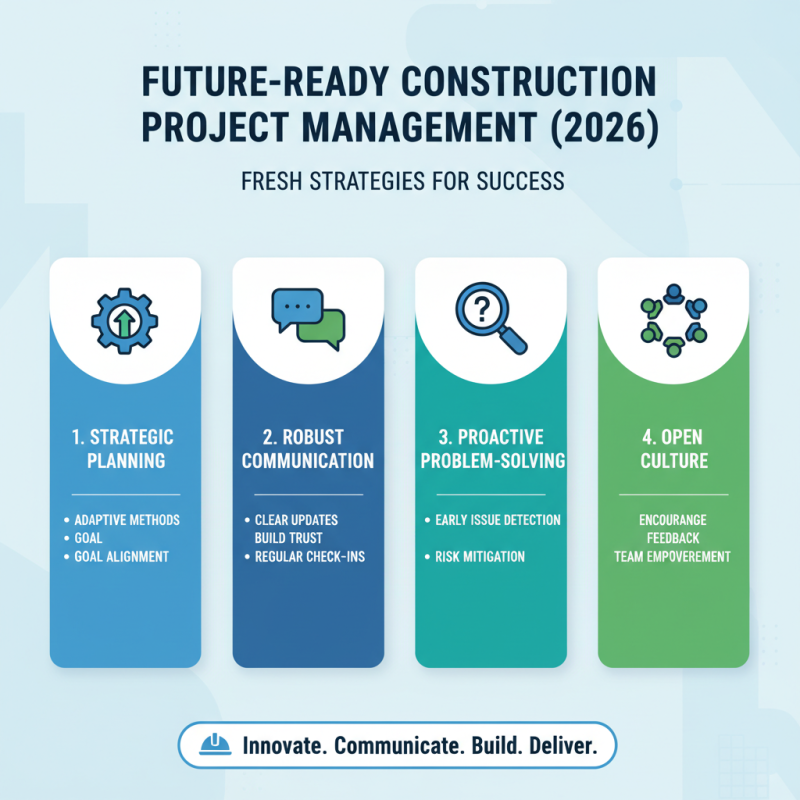
In 2026, managing construction projects requires a fresh approach. Effective project management strategies are crucial for contractors. Communication stands at the core of successful projects. Clear, concise updates build trust among teams. Regular check-ins can reveal issues before they escalate. Creating a culture of openness encourages team members to voice their concerns.
Utilizing technology can streamline project workflows. Project management software helps track progress and deadlines. However, it's important to avoid over-reliance on these tools. They can fail, leading to miscommunication or missed deadlines. Some contractors still struggle with integrating technology meaningfully. Adapting to new platforms can be a challenge, yet it offers potential for improvement.
Resource management also demands attention. Allocating manpower and materials efficiently can reduce costs. Yet, contractors often find themselves underestimating project needs. This leads to delays and frustration. Over time, adjusting forecasts based on past experiences can enhance accuracy. Reflecting on both successes and mishaps can bolster future strategies. Fostering a mindset for continuous improvement can pave the way for better project outcomes.
Client Relationships: Building Trust in the Construction Sector
Building trust is vital in the construction sector. Clients want reassurance that their projects are in capable hands. Communication plays a key role here. Regular updates keep clients informed and engaged. When challenges arise, transparency is crucial. Hiding problems only breeds distrust.
Listening to client needs creates a bond. Clients appreciate when contractors take their ideas seriously. It’s important to clarify expectations upfront. A clear vision reduces misunderstandings and disappointment. However, not all projects go as planned. Delays happen, and budgets can stretch. Acknowledging these issues promptly helps maintain trust.
Contracts should detail responsibilities, but relationships matter too. A contractor who shows empathy can build long-lasting bonds. Being approachable fosters a comfortable environment. Clients are more likely to voice concerns openly. They want to feel valued, not just another number. Understanding this dynamic can make or break a contractor's reputation. Each interaction can be a chance to strengthen that trust.