Top 10 Benefits of Using Gas Buffer Tanks for Efficiency?
Gas Buffer Tanks play a crucial role in enhancing energy efficiency across various systems. By mitigating fluctuations in demand, these tanks help maintain consistent pressure levels. This stability is essential for operations requiring reliable energy sources, such as industrial processes.
The use of a Gas Buffer Tank can significantly impact overall energy consumption. It serves as a reservoir, allowing for optimal management of energy resources. However, not all facilities fully understand the extent of these benefits. Some may underestimate the importance of proper installation and maintenance, leading to inefficiencies.
Exploring the top ten benefits of using Gas Buffer Tanks reveals their potential to enhance operational efficiency. Increased energy savings, reduced wear and tear on equipment, and improved response times are key advantages. Understanding these factors can help businesses make informed decisions. Embracing the use of Gas Buffer Tanks may lead to better performance and lower operational costs. Ultimately, evaluating the potential improvements is essential for anyone considering this technology.
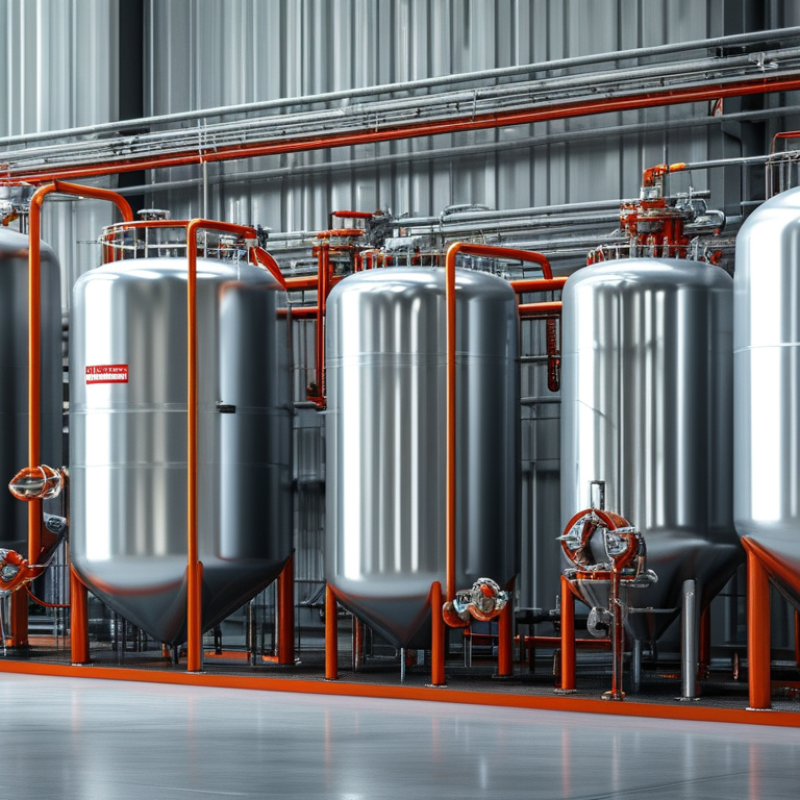
Benefits of Enhanced Energy Efficiency with Gas Buffer Tanks
Gas buffer tanks play a crucial role in enhancing energy efficiency in various systems. By storing excess gas generated during peak demand periods, these tanks help maintain consistent energy supply. This leads to reduced energy waste and lower operational costs. The constant flow of energy helps industries manage their energy use more effectively.
Implementing gas buffer tanks can also improve system reliability. Fluctuations in gas demand can cause stress on infrastructure. Buffer tanks act as a stabilizing element, smoothing out these spikes. However, the design and integration of these tanks must be done carefully. Insufficient capacity or poor placement might lead to inefficiencies instead of improvements.
Furthermore, utilizing gas buffer tanks can contribute to sustainability goals. They reduce the need for additional energy sources, lowering overall emissions. Embracing this technology requires a commitment to proper maintenance and monitoring. It's essential for operators to regularly evaluate their systems to ensure optimal performance. Attention to detail in management can lead to significant long-term benefits.
Top 10 Benefits of Using Gas Buffer Tanks for Efficiency
Reduction of Operational Costs Through Effective Gas Management
Gas buffer tanks play a critical role in efficient gas management, significantly reducing operational costs for various industries. According to recent industry analysis, companies have observed up to a 30% decrease in expenses related to gas procurement and handling. This substantial reduction arises from the ability to store excess gas during low-demand periods and utilize it during peak times. By balancing supply and demand, businesses can avoid costly penalties and purchase gas at lower rates.
Moreover, proper gas management enhances system reliability. A report from the Energy Research Institute highlights that companies utilizing gas buffer tanks experience a 25% fewer supply interruptions. This stability not only improves operational workflows but also minimizes the risk of potential downtime. Ineffective gas management can lead to lost revenue and increased operational strain.
However, implementing gas buffer tanks requires careful consideration. Not every facility may have the right infrastructure to support these systems. Some companies report challenges in the initial investment and setup process. This reflects the need for ongoing evaluation of gas management strategies. Balancing efficiency with cost is crucial for businesses aiming to optimize their operations.
Improvement of System Longevity and Maintenance Reduction
Gas buffer tanks play a crucial role in enhancing system longevity. These tanks store gas and maintain pressure, minimizing fluctuations during operation. According to the American Society of Mechanical Engineers, stabilizing pressure can extend equipment life by up to 30%. This is vital for systems reliant on gas, as consistent pressure reduces wear and tear on components.
Maintenance costs often decrease with the use of gas buffer tanks. A study from the National Renewable Energy Laboratory shows that systems integrating buffer tanks experience a 25% reduction in maintenance needs. With fewer breakdowns and less frequent servicing, organizations can improve operational efficiency while saving on labor and replacement parts. However, improper sizing or installation can lead to inefficiencies that negate these benefits.
While gas buffer tanks offer significant advantages, they require careful management. Regular monitoring of tank performance is essential. Neglecting to check for leaks or pressure inconsistencies can void any potential benefits. Operators must perform routine checks to identify issues early. A proactive maintenance approach ensures that the system continues to operate as intended.
Impact on Environmental Sustainability and Emission Reductions
Gas buffer tanks play a crucial role in enhancing environmental sustainability. They store excess gas during low-demand periods. This reduces the need for on-demand gas production, which often leads to higher emissions. When gas is used efficiently, fewer greenhouse gases are released into the atmosphere. Each buffer tank can lower carbon footprints significantly.
However, the effectiveness of these tanks depends on the overall system design. Not all installations are optimized for energy conservation. Poor planning might negate their benefits. Regular assessments of tank performance are essential. They can reveal inefficiencies, allowing for improvements that further reduce emissions.
Despite their advantages, there are challenges. Some users may overlook maintenance, leading to leaks or operational failures. Training staff to operate these systems effectively is vital. Without proper knowledge, potential gains can be lost. It is important to foster a culture of awareness around environmental impacts. Encouraging proactive management will make a substantial difference in reducing emissions.
Analysis of Industry Case Studies Showcasing Gas Buffer Tank Success
Gas buffer tanks have become essential in various industries, providing a consistent flow of gas while enhancing efficiency. Case studies show significant improvements in operational performance. In one case, a manufacturing facility implemented gas buffer tanks to manage fluctuations in gas supply. They experienced a 30% increase in production uptime. This efficiency is crucial for maintaining a competitive edge.
Another example involves a large energy provider that utilized gas buffer tanks to stabilize their supply chain. By integrating these tanks, they reduced gas waste by 25%. This also led to a noticeable decrease in operational costs. While the initial investment was considerable, the long-term savings justified the expense. Some companies, however, underestimated maintenance needs, highlighting areas for improvement.
These examples showcase the benefits of gas buffer tanks. Increased efficiency and reduced costs are evident, yet companies must remain vigilant about ongoing maintenance. This reflection can help industries leverage the full potential of gas buffer technology, turning challenges into opportunities for growth.