What is a Bathroom Faucet and How to Choose the Best One?
A Bathroom Faucet is more than just a functional item; it defines the space's style and usability. Choosing the right bathroom faucet can significantly enhance your daily routine. With various types available, selecting the perfect one requires careful consideration. The right faucet should not only match your bathroom decor but also provide reliability and ease of use.
When you think about a bathroom faucet, think about your needs. Do you prefer a single handle for simplicity, or a widespread faucet for a more luxurious look? Understanding these options helps in making an informed choice. Quality matters as well. A well-made faucet ensures longevity and performance, while cheaper options might lead to frustrations down the line.
While there are many stylish designs, the most important aspect is functionality. It’s crucial to find a balance between aesthetics and practicality. Sometimes, the most visually appealing faucets may not perform well over time. Thus, choosing a bathroom faucet is an investment in both comfort and style that requires thoughtful deliberation.
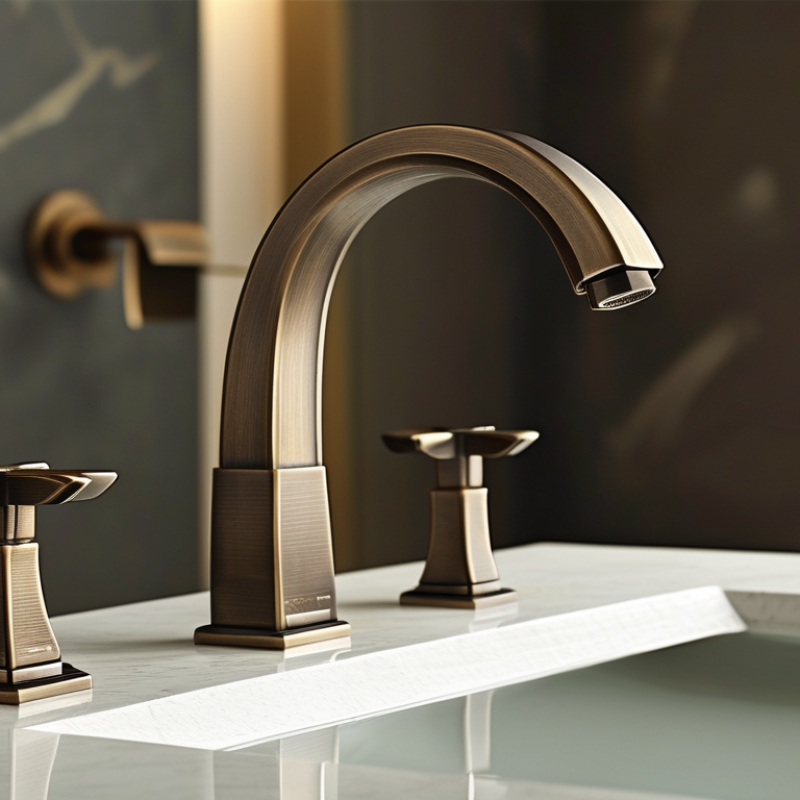
What is a Bathroom Faucet?
A bathroom faucet is a vital fixture in any home. It combines functionality with design to enhance the bathroom experience. According to the Kitchen & Bath Association, bathroom faucets can account for up to 15% of a bathroom's total spending. This highlights their importance in both style and utility.
Choosing the right faucet involves understanding various features such as flow rates and styles. Standard flow rates range from 1.2 to 2.2 gallons per minute. Selecting a faucet with a lower flow rate can conserve water, significantly impacting monthly bills. Many homeowners overlook this aspect, but it matters for sustainability and cost-effectiveness.
When evaluating options, consider the finish and ease of installation. Various finishes, like chrome or brushed nickel, can affect hygiene and maintenance. For instance, some finishes show water spots more easily than others. Their durability often varies too, influenced by the materials used. As you navigate options, ask yourself what blends well with your bathroom’s theme.
Tip: Always check for certifications like WaterSense. This label indicates the faucet meets energy and water efficiency standards. Don’t shy away from questioning the material quality and warranty details. Make informed choices to ensure the faucet you select remains reliable and stylish for years to come.
Types of Bathroom Faucets and Their Features
When selecting a bathroom faucet, understanding the different types and their features is essential. There are several common styles available. Each brings its unique aesthetic and functionality.
One popular type is the single-handle faucet. It allows easy temperature control with one lever. This is ideal for busy bathrooms where quick adjustments are needed.
Another option is the double-handle faucet. It offers traditional elegance and precise control over hot and cold water. Some people might find it harder to use when multitasking.
Wall-mounted faucets are also gaining traction. They save counter space and create a sleek look. However, installation can be tricky and may require plumbing adjustments.
Choosing the best bathroom faucet depends not only on style but also on practicality and ease of use. Reflecting on your personal needs can help avoid common pitfalls.
Key Factors to Consider When Choosing a Bathroom Faucet
Choosing the right bathroom faucet involves several key factors. Consider the style of your bathroom. Do you prefer a modern or classic look? The faucet should harmonize with other fixtures. Size matters too. A faucet that is too large can overwhelm a small sink. Conversely, a tiny faucet may look out of place.
Functionality is equally important. Look for a faucet that offers ease of use, especially if you have children or elderly family members. Water flow and pressure are also considerations. Test the faucet if possible, to ensure it meets your needs. Some faucets have multiple settings for flow, which can be beneficial.
Installation complexity can be a source of frustration. Evaluate if you can handle it yourself or if a professional is needed. This could impact your overall budget. Keep in mind that the material and finish will affect maintenance as well. Certain finishes may require more upkeep than others. Reflect on these factors carefully to make an informed choice.
Installation Options for Bathroom Faucets
When considering installation options for bathroom faucets, it's crucial to understand the types available. A widespread faucet typically features two handles to control hot and cold water. It often requires three holes in your sink or countertop. This style can enhance both functionality and aesthetics. Many homeowners appreciate its classic appeal. However, installation can be more complex.
Another popular choice is a center-set faucet. This design combines the spout and handles into one unit. It requires only three holes: one for the spout and two for the handles. Installation is usually simpler and works well with smaller sinks. Consider your sink space carefully. A center-set faucet may limit options for handles and spouts.
Wall-mounted faucets are gaining traction as well. These install directly onto the wall above the sink. This style saves counter space and creates a sleek look. However, they require plumbing adjustments. Ensure your plumbing can accommodate this style. Overall, your choice should reflect both functionality and personal taste. Take time to weigh your options.
Each style has its benefits and potential pitfalls.
Maintenance Tips for Prolonging the Life of Your Faucet
Maintaining a bathroom faucet is crucial for longevity and efficiency. According to industry reports, regular maintenance can extend the lifespan of faucets by 20-30%. Simple actions can prevent costly repairs or replacements down the line.
One key tip is to frequently check for leaks. Even a minor drip can waste up to 3,000 gallons of water a year. Tightening fittings and replacing worn washers can solve many issues. Ensure that the faucet is properly cleaned to avoid mineral buildup, which can hinder performance. Use a solution of vinegar and water to clean the aerator.
It's essential to inspect the plumbing connections regularly. Rust or corrosion can weaken these connections. Address any signs of wear immediately. Lastly, turn off the faucet during less busy times to prevent excessive wear. Regular attention to these details preserves your faucet's functionality and looks.