What is Acoustic Metal Panels and How Do They Benefit You?
In the ever-evolving landscape of architecture and design, Acoustic Metal Panels stand out as a significant innovation. As industry expert Dr. Emily Carter notes, "Acoustic Metal Panels not only enhance aesthetics but also provide functional sound absorption." This dual advantage makes them a favored choice in both commercial and residential spaces.
These panels are crafted from high-quality metals and are designed to improve acoustics while maintaining a sleek appearance. They come in various finishes and textures, making them versatile for different applications. In busy environments like offices or schools, they help in minimizing noise pollution, fostering a more productive atmosphere.
Yet, as we embrace these solutions, it’s crucial to recognize the importance of proper installation and selection. Not all panels are created equal, and choosing the wrong type can lead to ineffective sound control. Informed decisions are essential to truly benefit from Acoustic Metal Panels. They are a step forward, but understanding their limitations and potential is equally vital.
What Are Acoustic Metal Panels?
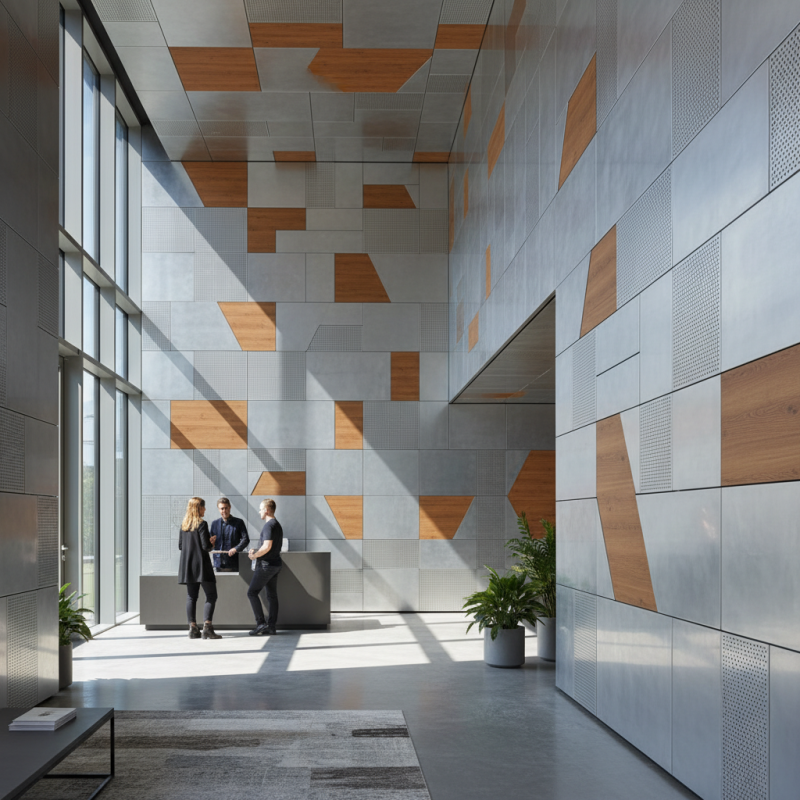
Acoustic metal panels are innovative materials designed to control sound in various environments. They combine the strength of metal with acoustic properties, making them useful in places like concert halls, offices, and schools. By utilizing specialized coatings and designs, these panels reduce noise and enhance the quality of sound.
Tips: When selecting acoustic panels, consider your space's acoustic needs. Different panel types work better in different environments.
These panels are not only functional but also aesthetic. They come in various colors and finishes, allowing customization for your interiors. This versatility can elevate the overall design while providing sound control.
Tips: Always test a sample in your space before committing to a large order. You may find that colors and textures appear different under various lighting conditions.
Installation is another critical factor. Properly installed panels yield better acoustic performance. However, DIY installation may lead to mistakes if not done carefully. Sticking to manufacturer guidelines is essential for optimal results.
Tips: Consult with professionals if you feel unsure about installation. Their expertise can save time and frustration.
The Composition and Design of Acoustic Metal Panels
Acoustic metal panels are crafted from a unique combination of materials, typically featuring a core of sound-absorbing foam or mineral wool, covered with metal sheets. This design allows them to effectively manage sound in various environments. Studies show they can reduce noise levels by up to 30 decibels in commercial spaces. Such reduction is crucial for promoting a comfortable atmosphere in busy settings like offices or theaters.
The design of acoustic metal panels can be both functional and aesthetic. Their sleek appearance complements modern architecture while serving a practical purpose. Custom patterns and finishes enable them to blend seamlessly into various designs. However, achieving the right balance between acoustics and aesthetics is challenging. Choosing the wrong panel style could diminish their soundproofing effectiveness. Proper installation also plays a key role in maximizing their benefits. Seams and gaps can significantly reduce their performance, emphasizing the need for professional installation.
Despite their advantages, some concerns remain. Acoustic metal panels can be more expensive than traditional soundproofing methods. They might not suit all environments, especially where temperature and humidity fluctuate. Understanding your space's specific acoustic requirements is essential before making a decision. Engaging with industry experts can provide insights tailored to your needs and challenges.
How Acoustic Metal Panels Improve Sound Quality
Acoustic metal panels are gaining traction in various industries for their ability to enhance sound quality. These panels utilize sound-absorbing materials to minimize noise reflection. According to a study by the Acoustical Society of America, improper acoustics can reduce speech intelligibility by up to 50%. This can severely impact environments like offices and concert halls, where clarity is crucial.
When installed properly, acoustic metal panels can significantly reduce echo and background noise. An impressive 75% reduction in sound reverberation can be achieved with these panels, creating a more conducive environment for communication. This is particularly beneficial in busy spaces, such as restaurants and open-plan offices, where distractions are prevalent.
However, not all acoustic solutions are perfect. The effectiveness of these panels often depends on the room's size and shape. Professional acoustic assessments can be necessary for optimal results and thoughtful layout planning. Balancing aesthetics and functionality is an ongoing challenge in the industry. Thus, sound quality improvements can sometimes be limited by design constraints. Proper installation and professional guidance are vital to harness the full potential of acoustic metal panels.
Sound Quality Improvement with Acoustic Metal Panels
Acoustic metal panels are designed to enhance sound quality by reducing noise levels. The above chart illustrates the reduction in decibel levels before and after the installation of these panels, demonstrating their effectiveness in improving acoustic performance.
Applications of Acoustic Metal Panels in Various Settings
Acoustic metal panels have diverse applications across multiple settings. These panels can significantly improve sound quality, making them ideal for music studios, concert halls, and theaters. Their properties reduce echo and reverberation, enhancing clarity and providing an immersive experience for audiences.
In office environments, acoustic metal panels help mitigate background noise. This results in improved focus and productivity among employees. Open-plan offices, in particular, benefit from the sound-dampening qualities of these panels. They can be stylish additions, often available in various finishes that complement modern design aesthetics.
Tips for choosing acoustic metal panels: Consider the panel thickness and material type. Thicker panels may absorb sound better. Also, explore various shapes to see what fits best in your space. Lastly, test different designs before finalizing. This allows you to gauge how they impact acoustics and aesthetics in your environment.
The Advantages of Using Acoustic Metal Panels in Construction
Acoustic metal panels are a unique solution for sound control in various construction projects. Their design integrates metal with sound-absorbing materials, providing an effective barrier against noise. Studies show that buildings using acoustic solutions can reduce noise levels by up to 70%. This reduction vastly improves the comfort and productivity of occupants.
One key advantage is their durability. Unlike traditional soundproofing materials, metal panels resist moisture and fire, ensuring long-term performance. Research from industry experts indicates that buildings equipped with these panels experience lower maintenance costs. Their ability to withstand environmental damage makes them a compelling choice for both indoor and outdoor applications.
Tip: When selecting acoustic panels, consider the specific noise source in your space. Understanding the frequency of the sound will help you choose the right panel type.
The aesthetic appeal of acoustic metal panels cannot be overlooked. They offer modern designs that can enhance the overall look of a building. However, it's essential to balance aesthetics with functionality. Ensure that the chosen panels meet your acoustic needs while fitting seamlessly into the design. Remember, while they can look impressive, their primary purpose is effective noise reduction.